
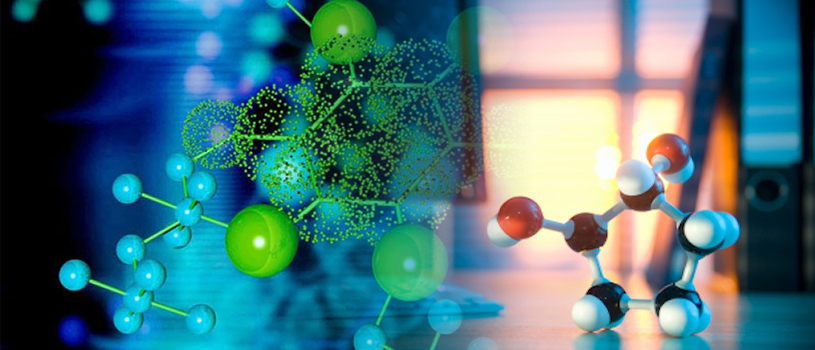
A research team got a lab result that even he couldn't quite believe. It goes against all conventional wisdom: the first evidence of a protein that could conduct electricity like a metal.

The object zoomed into our solar system from an extreme angle above the path in which most planets and asteroids orbit the sun.

A robot named “Sophia” has made history, as it became the first ever to be granted a full Saudi Arabian citizenship.

As Portugal reels from its worst wildfires on record, seven Portuguese children have met an important crowdfunding goal for their major climate lawsuit against 47 European nations.

This could turn 5-7 billion square meters of glass alone into solar power plants, plus power your cell phone and other gadgets.

New 'potato stamp' technique combining silver and graphene may create cheaper, more flexible and eco-friendly screens.

Researchers have discovered a simple technique to make atomically thin flakes of material. The breakthrough, published in Science, is expected to lead to faster, more energy efficient electronics.

Public data leading to a discovery outside the organization is a big step.

A new smart home controller has been launched on the Australian market with the claim that it offers a number of features that differentiate it from competing products, such as those from Apple and Google.

An ISGlobal study analyses for the first time lifelong residential exposure to greenness in children.

In the past decades, large areas of forest in Sumatra, Indonesia, have been replaced by cash crops like oil palm and rubber plantations. New research shows that these changes in land use increase temperatures in the region.

African Leaders have pledged to end the practice by 2030.

Greenpeace's Guide to Greener Electronics shows us the winners and sinners in the gadget making business.

A Canadian-led international team of astronomers recently discovered that spots on the surface of a supergiant star are driving huge spiral structures in its stellar wind.

More than a decade of data indicates teens have become far less likely to abuse alcohol, nicotine and illicit drugs, and they also are less likely to engage in delinquent behaviors, such as fighting and stealing, according to results of the US survey.


