

Even with rapid emission cuts, some level of continued acidification may be unavoidable due to the CO2 already emitted and the time it takes for the ocean system to respond.
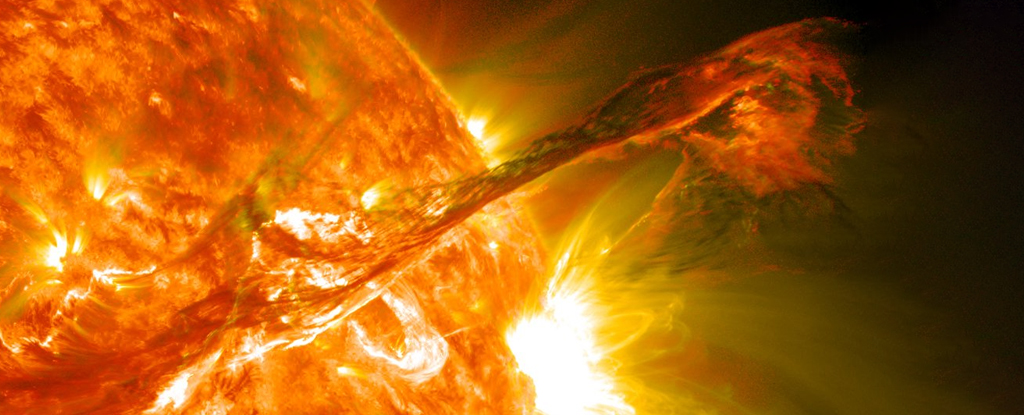
Extreme solar storms could spell disaster for our highly technological society because they have the potential to damage satellites and bring down communications networks and global electricity grids.

The sea surface temperature in the Fijian archipelago in the southwestern Pacific is now at its maximum for more than 600 years.

The study sheds light on the widespread human exposure to food contact chemicals that could be detected in human samples, such as urine, blood, and breast milk.

The only way to deal with this is to prepare for a situation with a much higher likelihood of unprecedented extreme events, already in the next one to two decades.

A new study has found more than 1,000 human infant deaths resulted from the loss of bats in North America – which led to increased pesticide use, a grim reminder of how vital this much-maligned mammal is to our wellbeing.

Too much background noise about UFOs can get in the way of legitimate science communication about the possibility of finding microbial extraterrestrial life. Astrobiology, the science dealing with such matters, has a far less effective publicity machine than UFOlogy.

A new research has detailed the rate at which Siberia's massive Batagaika crater is devouring the surface of the Earth. Its rapid expansion is now fueled by warming air temperatures.

Around 20,000 years ago, mammoths and their relatives were relatively plentiful. By about 10,000 years ago, they were all but extinct, their disappearance shockingly sudden given the millions of years they thrived on Earth.

In fact, research has shown that Antarctica is rising up out of the ocean as it sheds its ice, and the effects on our planet are going to be massive.

Andean tropical glaciers are retreating at an unprecedented rate, exposing ice-free areas not seen for 11,700 years since the Holocene epoch began. This phenomenon highlights the significant regional impacts of human-induced climate change.

The results are sobering confirmation that global warming will continue to damage the Great Barrier Reef. If humanity does not divert from its current course, our generation will likely witness the demise of one of Earth's great natural wonders.
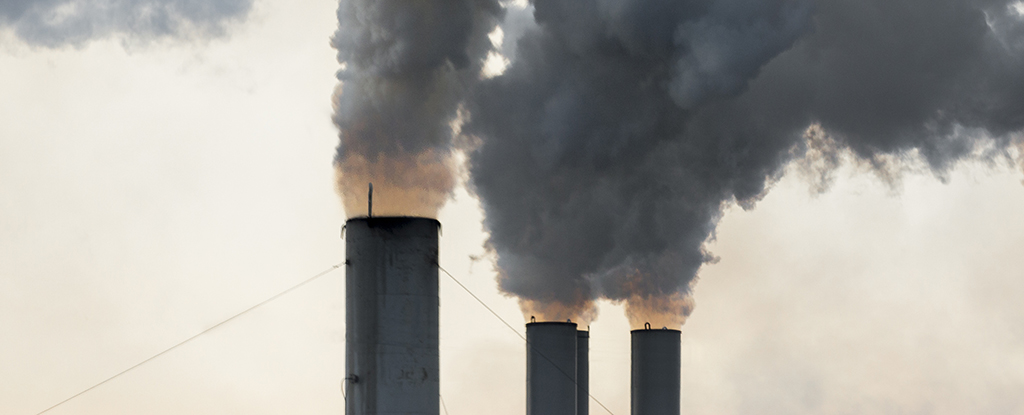
The warning signs are all there: record-breaking heat, failing health, vanishing ice sheets, and more unpredictable weather.

July 22, 2024, was the hottest day on record, according to a NASA analysis of global daily temperature data. July 21 and 23 of this year also exceeded the previous daily record, set in July 2023.

To save a diversity of plants and animals from the current mass extinction, the UN introduced a historic 'peace pact with nature' at the end of 2022, in which countries pledged to turn 30 % of the planet into protected zones by 2030.


