
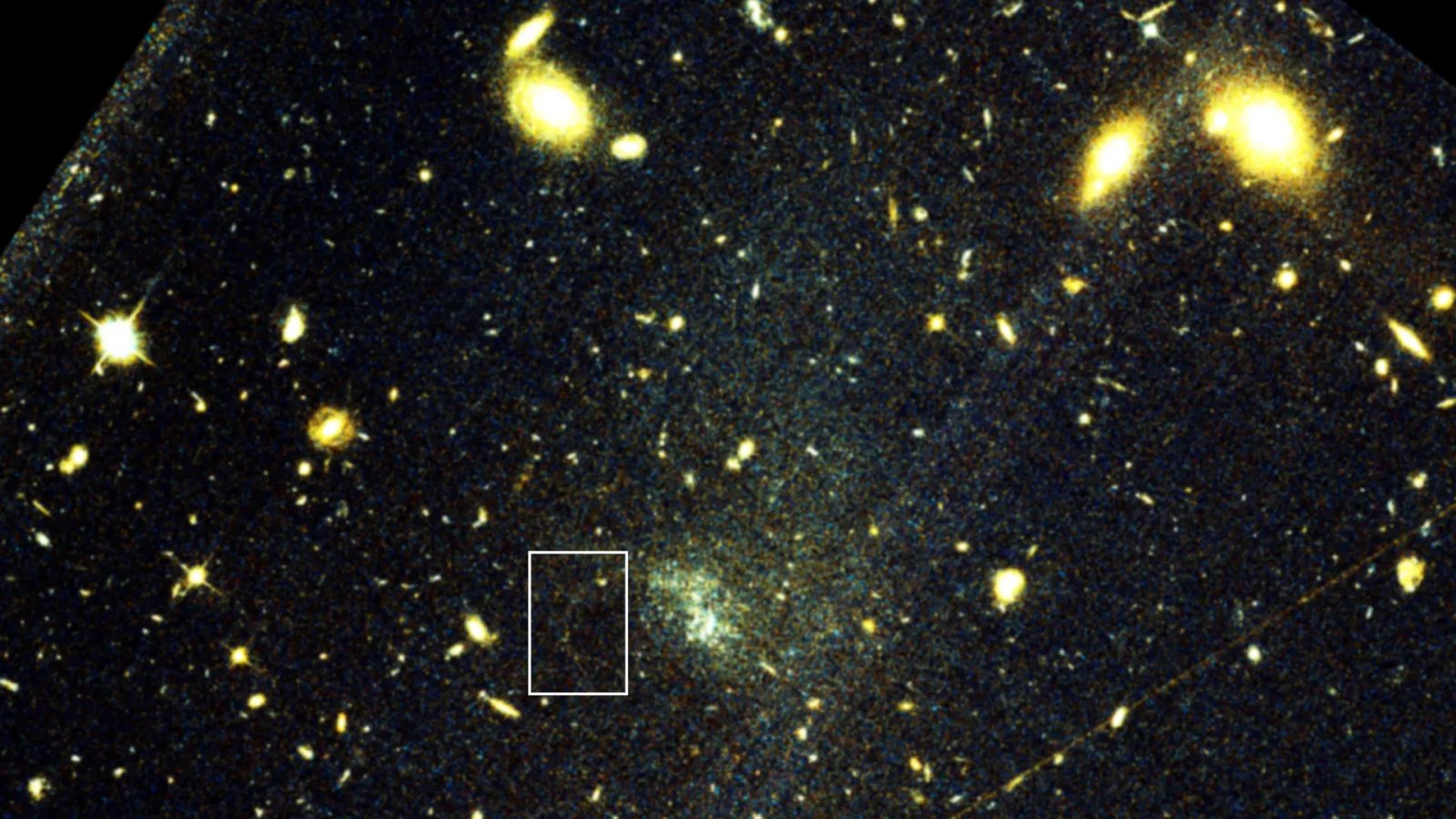
A faint ribbon of stars around a distant galaxy has become the first globular cluster stellar stream ever identified beyond the Milky Way. The breakthrough offers astronomers a new way to investigate one of the universe’s greatest mysteries.
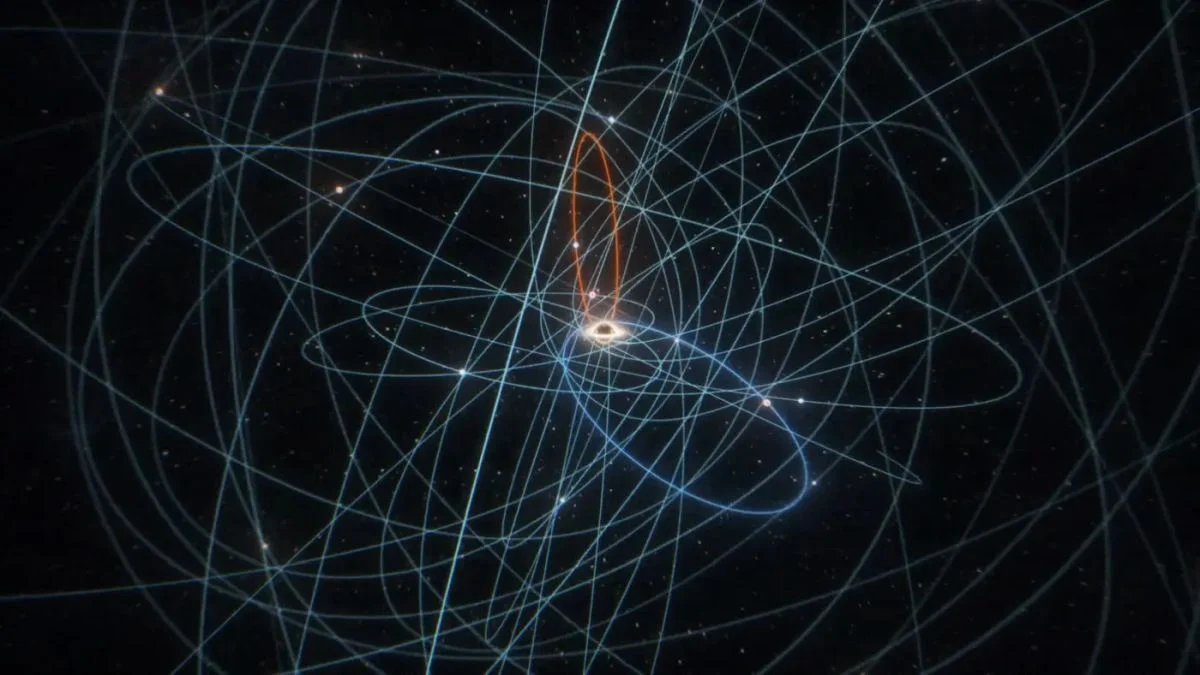
S301 is on a searing 8.7-year orbit around Sgr A* that reaches a peak velocity of more than 25,000 kilometersper second during its closest approach to the black hole.
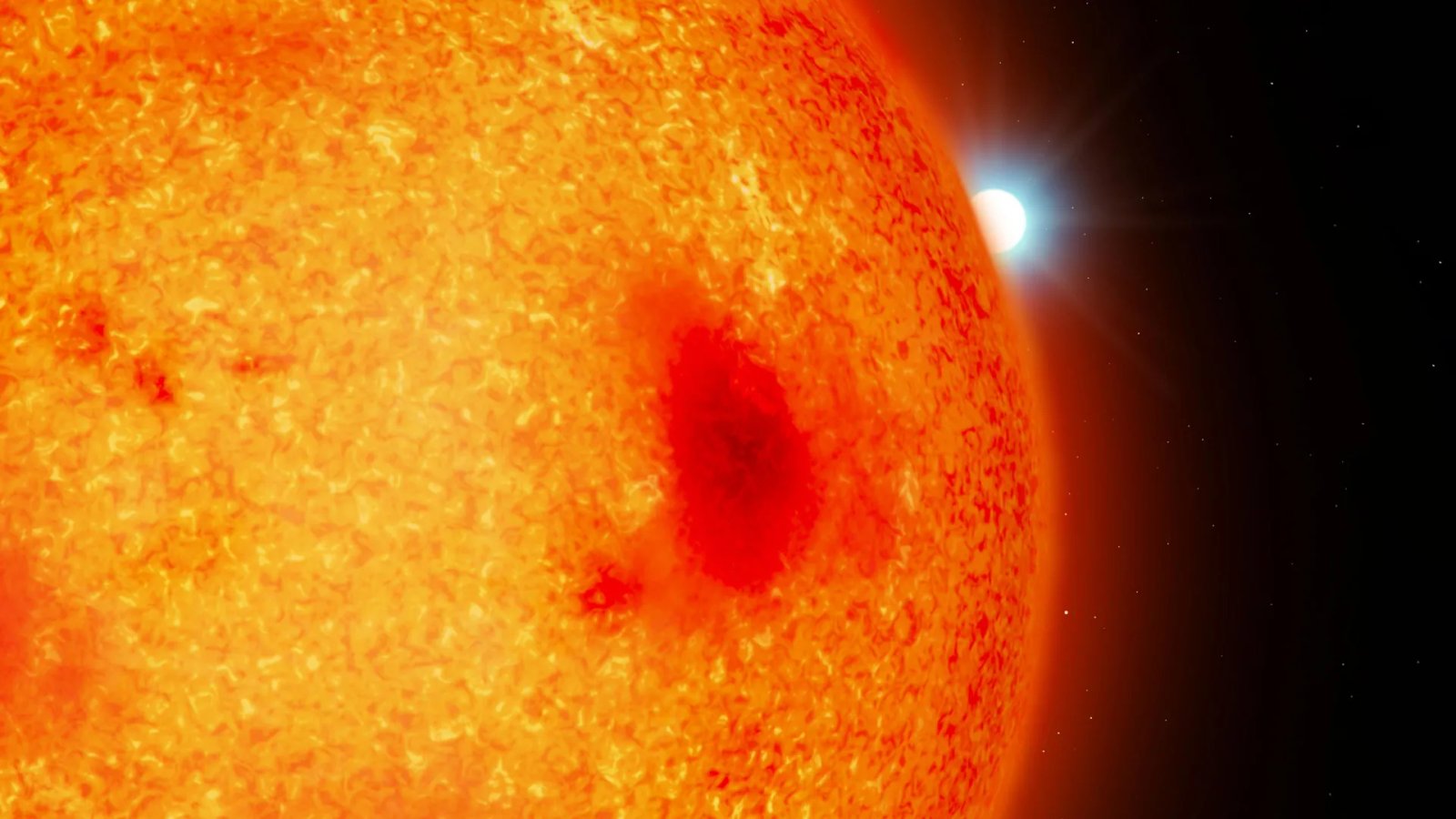
Four nearby white dwarf stars have been discovered hiding in plain sight beside brighter red dwarf companions. Hubble's observations finally revealed the long-hidden stellar remnants, including one just 25 light-years away.
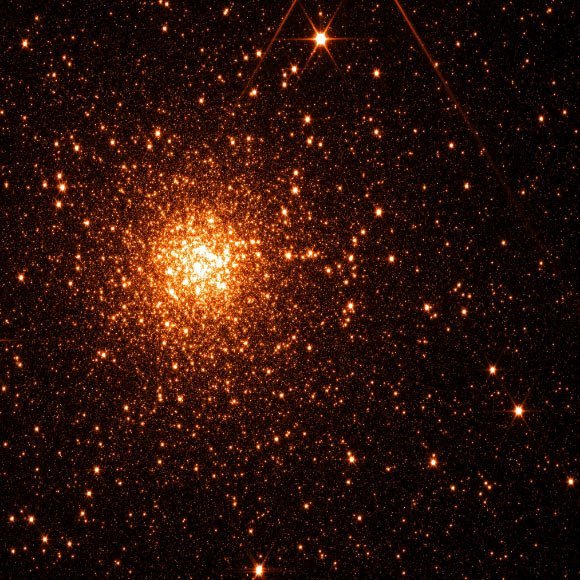
New data not only confirm the existence of two distinct populations of stars in the ancient stellar system Terzan 5, once classified as a globular cluster, but also provides evidence for two more recent rounds of star formation.
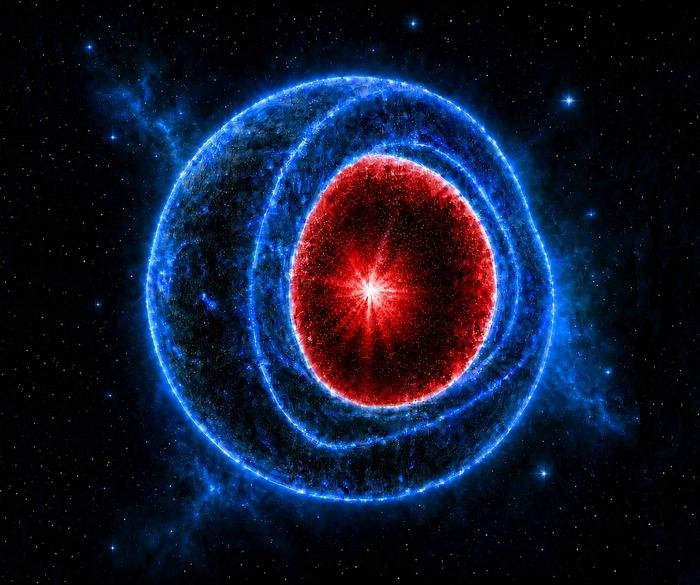
A gravastar (gravitational vacuum star) is a hypothetical cosmic object proposed as an alternative to a black hole.
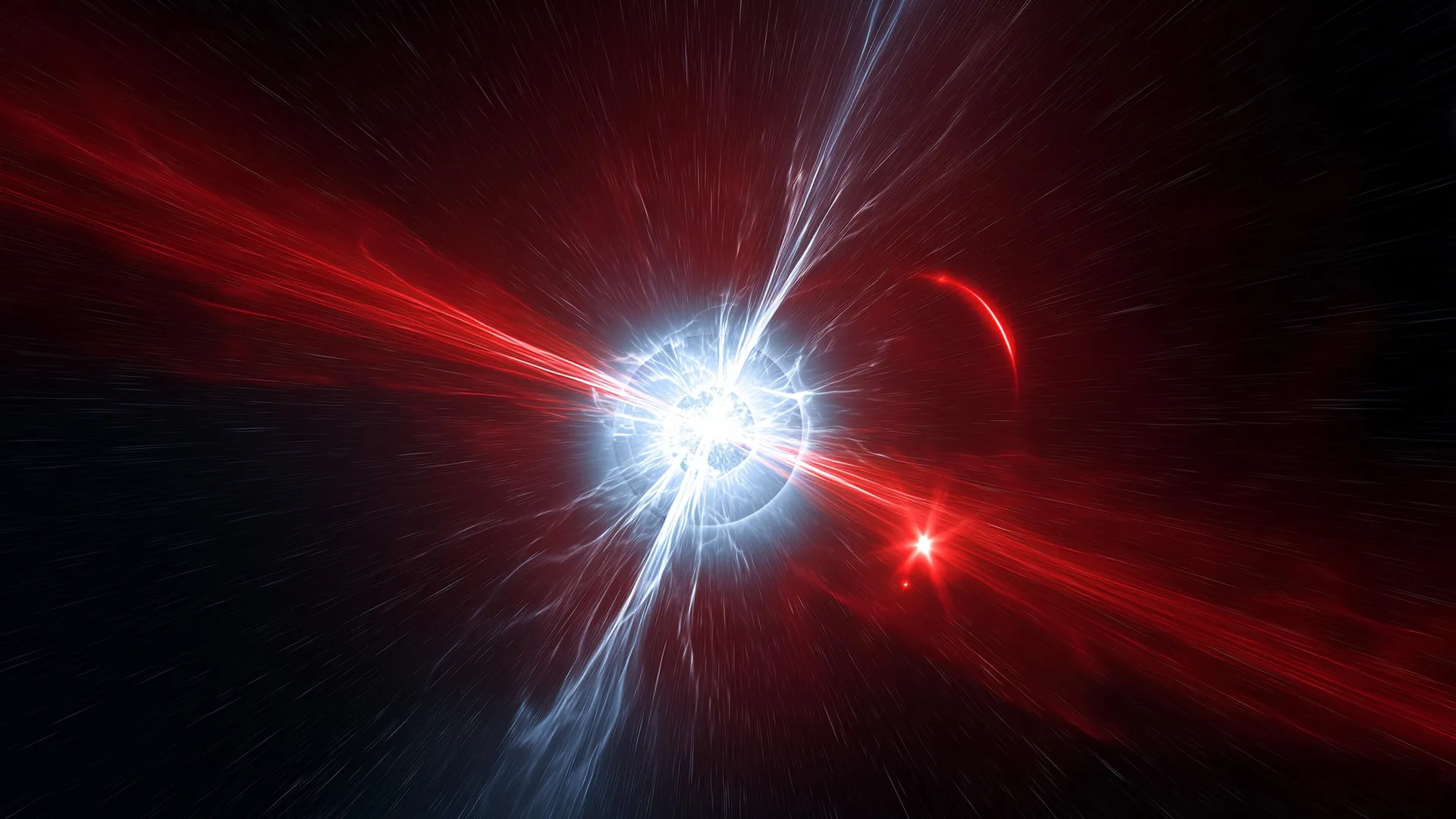
Researchers traced long-period transient bursts to a rare stellar duo in which a dense white dwarf is relentlessly siphoning material from a nearby red dwarf companion.
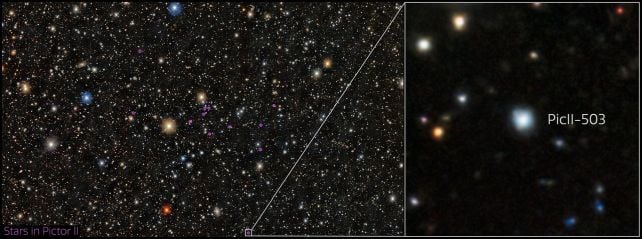
A group led by University of Chicago scientists has discovered a star that appears to date back to the second generation of stars ever formed.
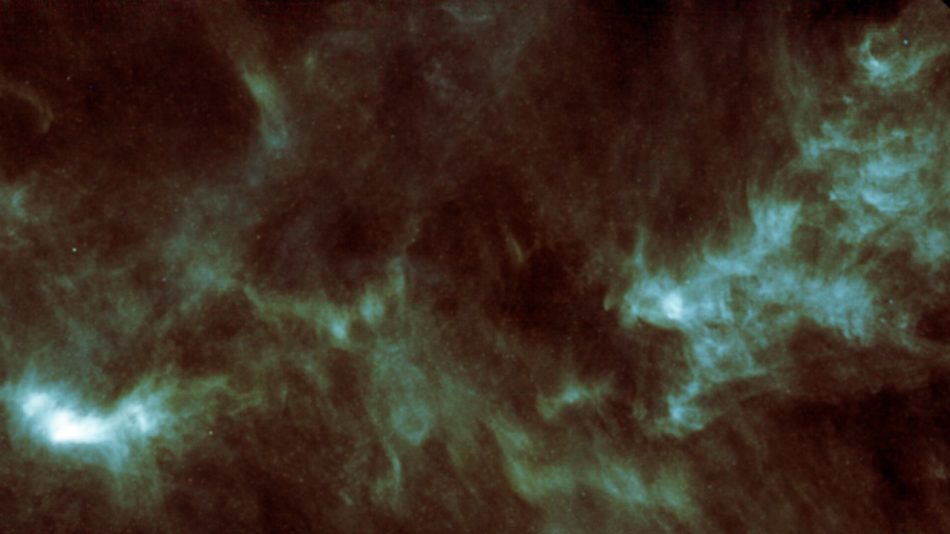
While looking through a developing star called L1544, a team of astronomers found methanimine, an organic molecule scattered throughout the clump of gas.
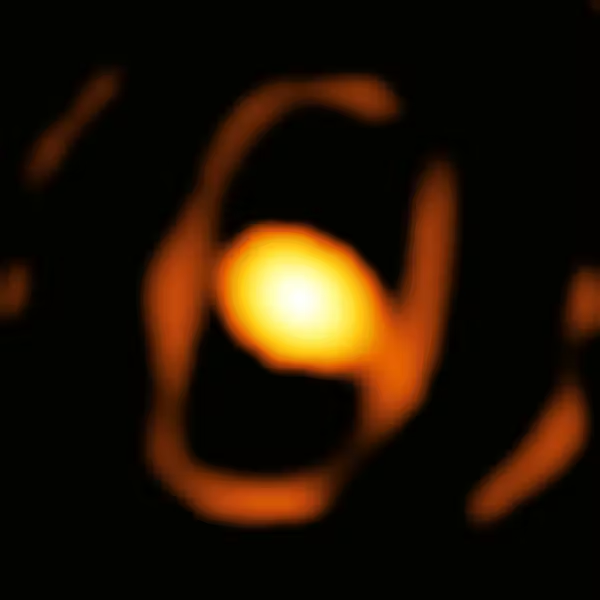
The enormous star WOH G64 in the Large Magelanic Cloud has transitioned from a red supergiant to a rare yellow hypergiant – in what may be evidence of impending supernova.
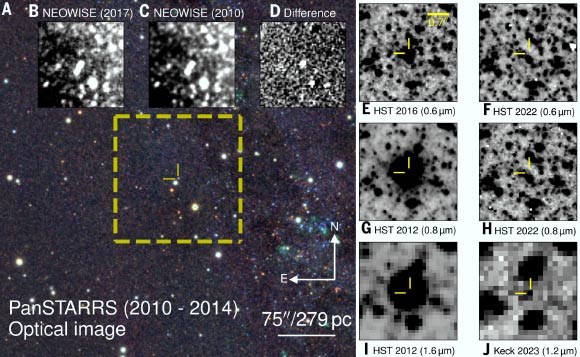
astronomers identified the clearest observational record yet of a massive star fading and vanishing into a black hole — an event once theorized but rarely seen.
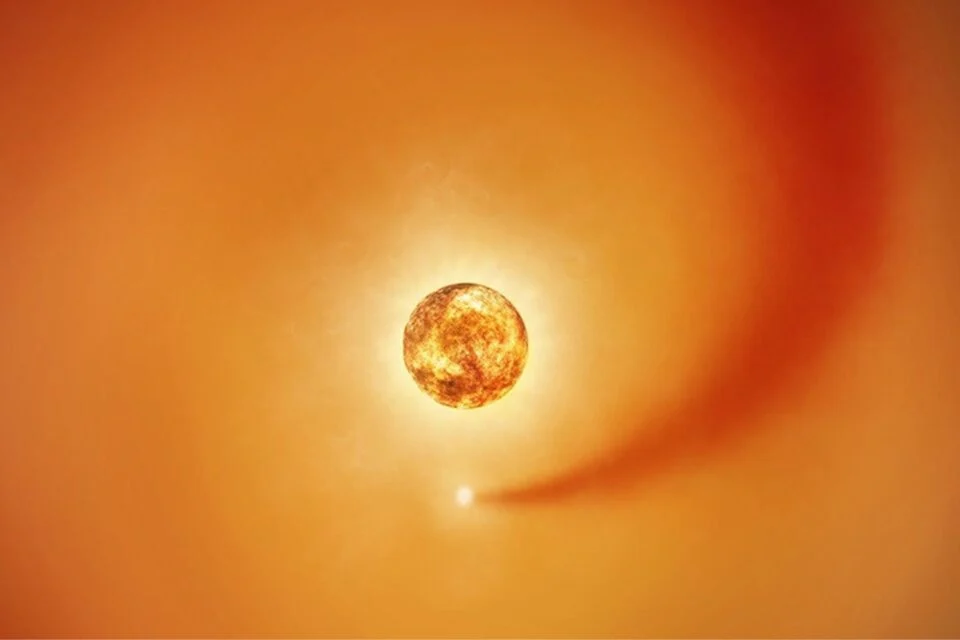
Astronomers observed changes in the star’s spectrum and these changes are the direct result of the companion star, Siwarha, plowing through Betelgeuse’s outer atmosphere.
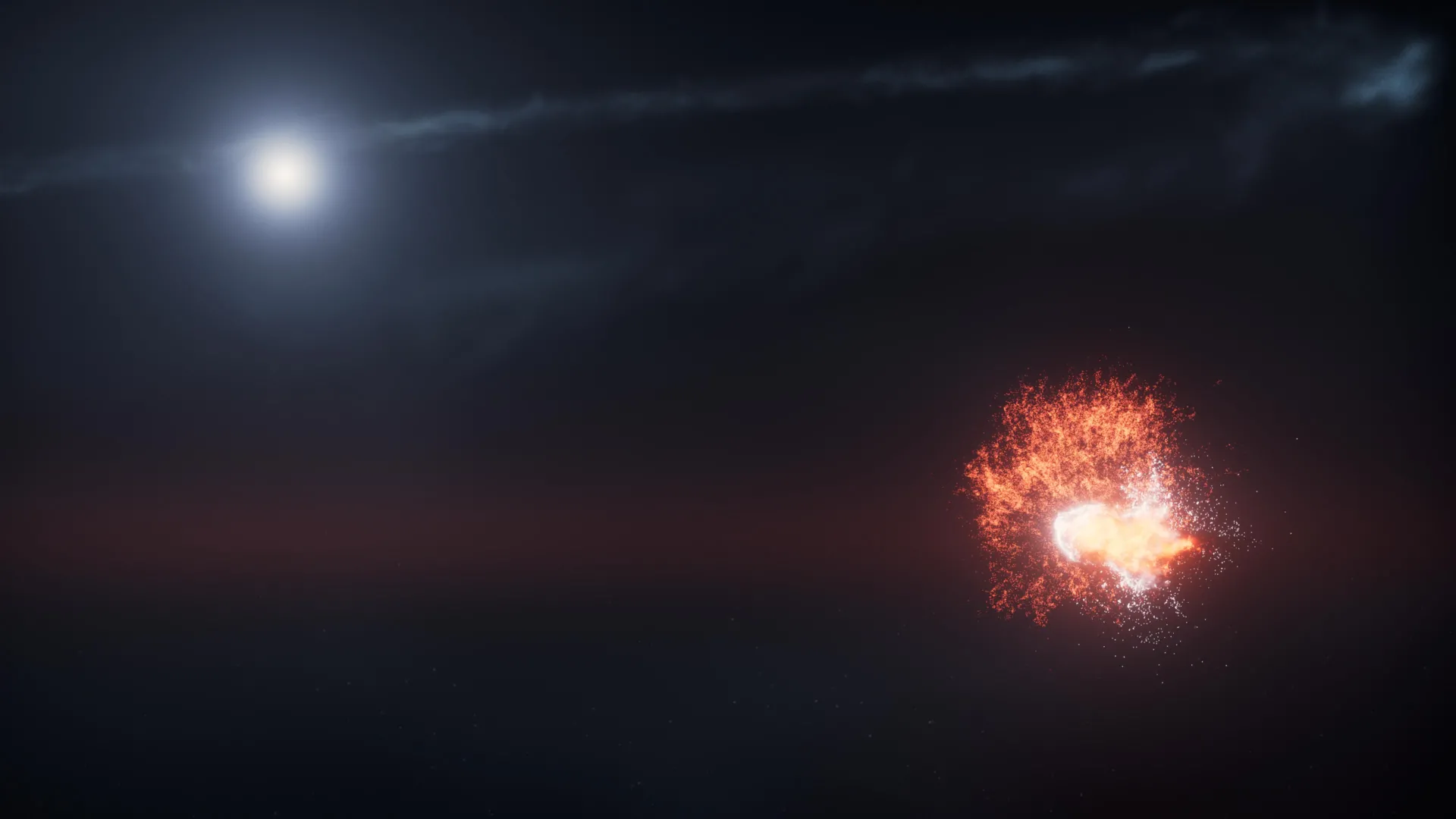
Astronomers tracking a nearby star system thought they had spotted an exoplanet reflecting light from its star. Then it vanished. Even stranger, another bright object appeared nearby.
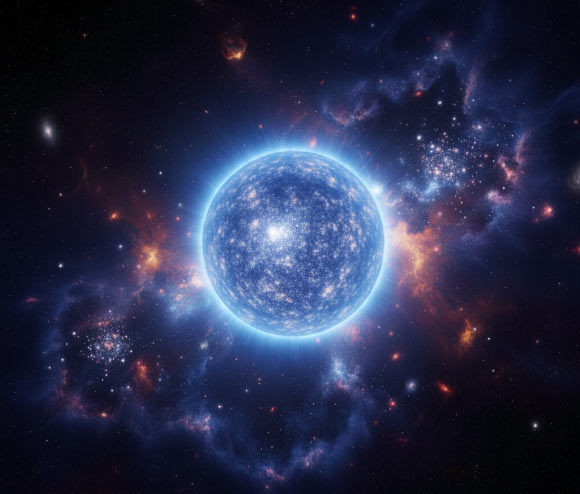
Astronomers using the NASA/ESA/CSA James Webb Space Telescope have discovered chemical fingerprints of primordial stars weighing between 1,000 and 10,000 times the mass of the Sun in GS 3073,an early galaxy.
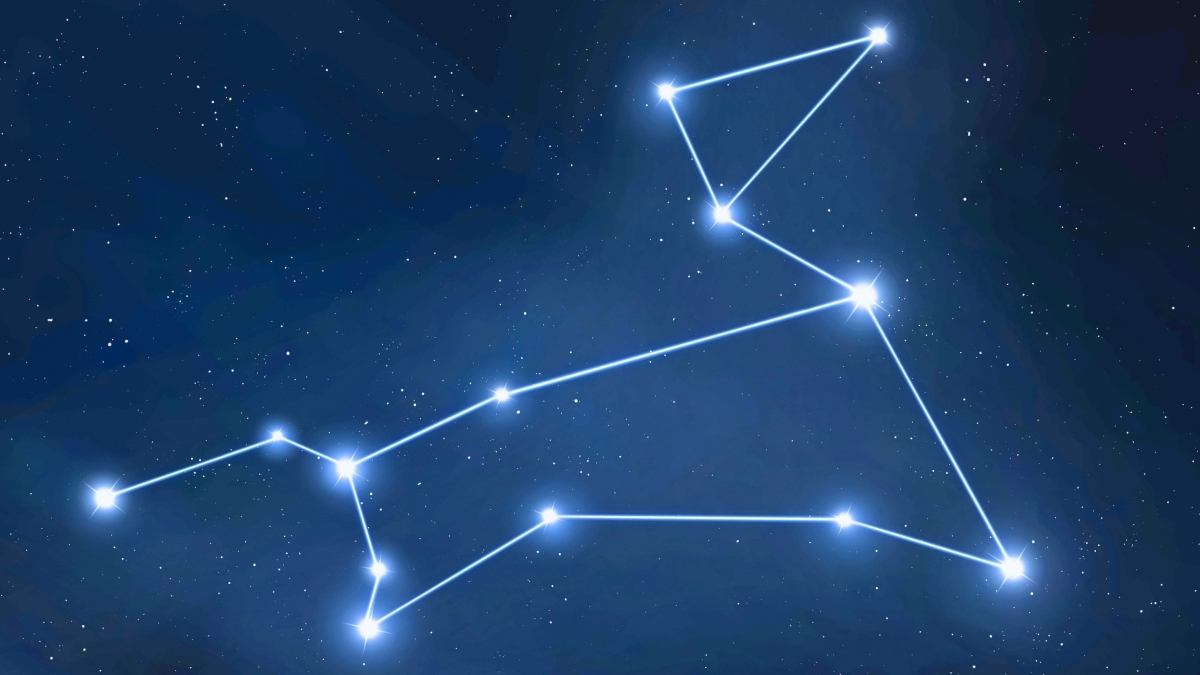
Two stars, now located some 400 to 500 light-years from Earth, swung through our neighborhood on their journey through the Milky Way, coming as close as 32 light-years.
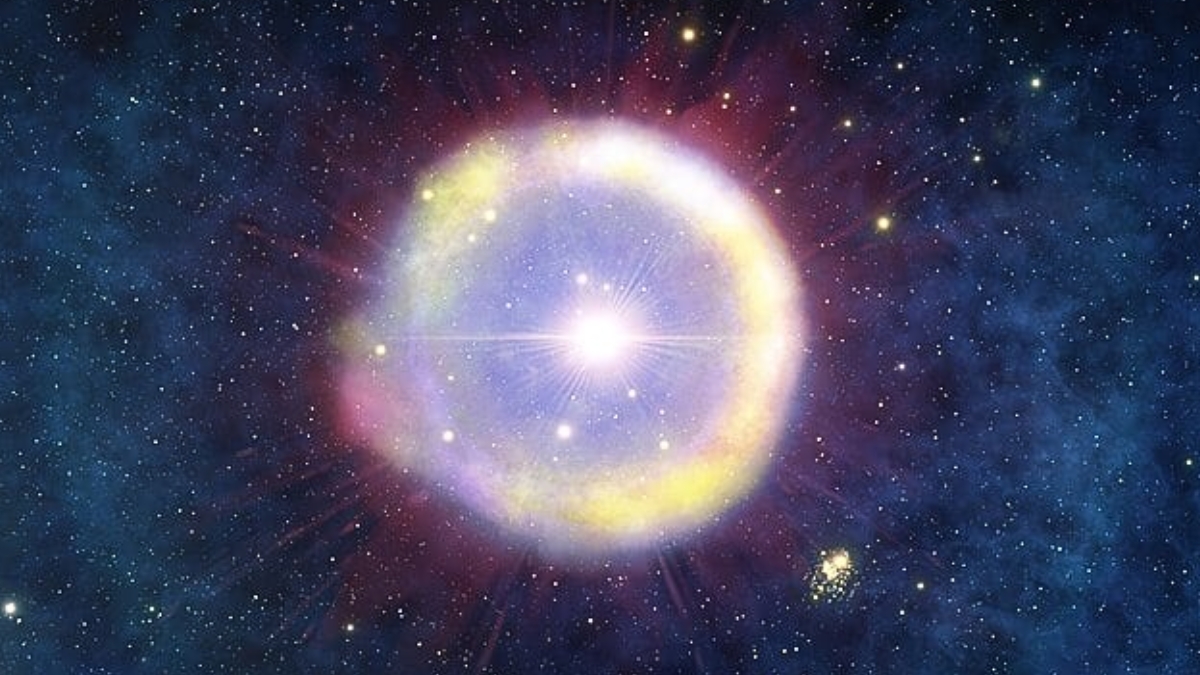
A galaxy formed around 11 billion years ago that appears to be "metal-free", indicating that it might contain a set of elusive first-generation (Pop III) stars.


