
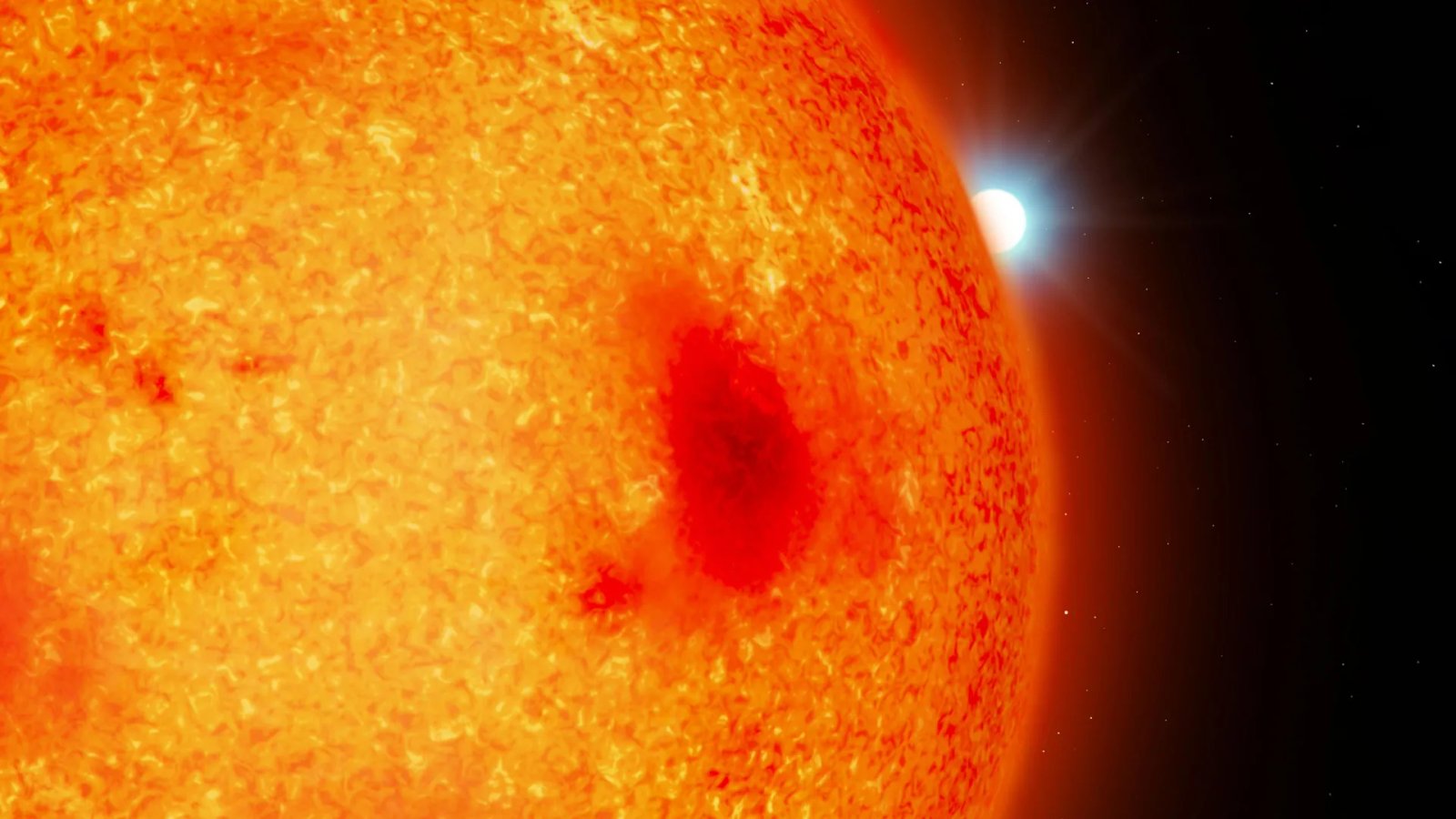
Four nearby white dwarf stars have been discovered hiding in plain sight beside brighter red dwarf companions. Hubble's observations finally revealed the long-hidden stellar remnants, including one just 25 light-years away.
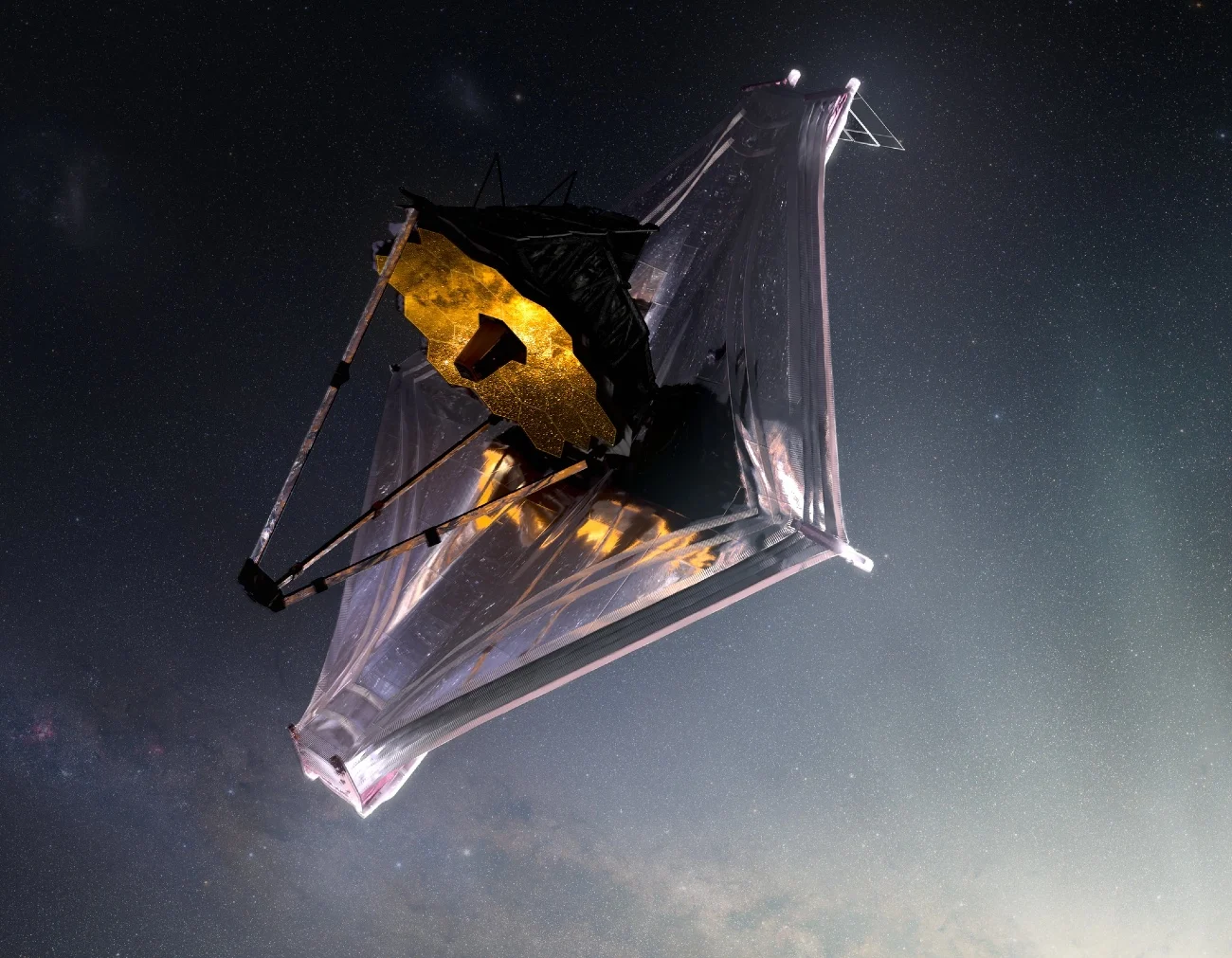
New findings reveal that exoplanet L 98-59 d appears to belong to an entirely different class of planet containing heavy sulphur molecules within a permanet magma ocean.
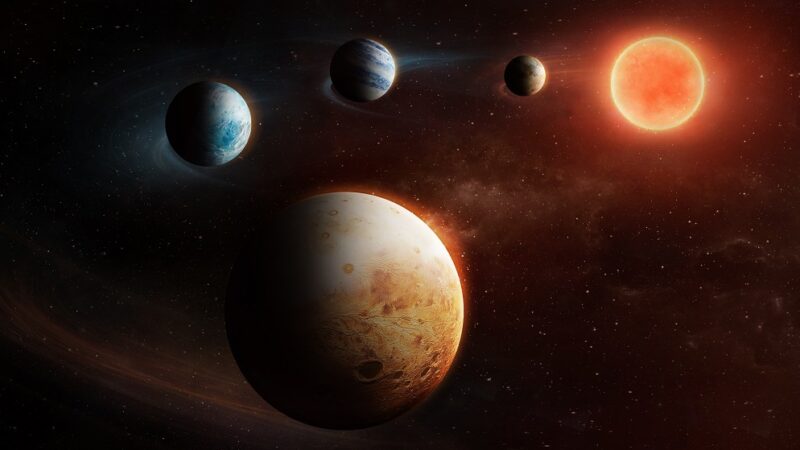
The planets around LHS 1903 – a cool faint red dwarf star – begin as expected with a rocky planet orbiting close by and then two gas worlds. A surprising 4th planet at the system’s outer edge that is rocky, rather than gaseous.
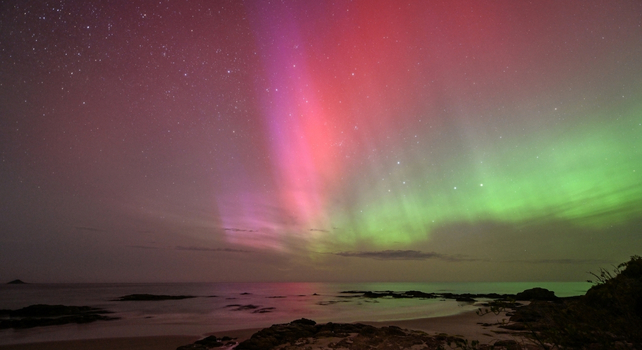
Astronomers have detected a storm on a star other than our Sun for the first time, discovering an explosion so violent it could have stripped away the atmosphere of any planets unlucky enough to be nearby.

Researchers report the discovery of a super-Earth orbiting the star GJ 740, a red dwarf star situated some 36 light years from Earth. Its mass is around 3 times the mass of Earth.

Astronomers detected a giant planet orbiting a small star. The red dwarf GJ 3512 is located 30 light-years from us. The planet has much more mass than theoretical models predict.

An international team of researchers recently detected two new Earth-like planets orbiting Teegarden’s Star, an M-type (red dwarf) star located just 12.5 light-years from the Solar System in the direction of the Aries constellation.

GJ436, a red dwarf located about 33 light-years from Earth has a planet that behaves very much like a comet. And according to a recent study this planet also has a very peculiar orbit.

A team working with HARPS in Chile has found that the red dwarf star Ross 128 is orbited by a low-mass exoplanet every 9.9 days. The exoplanet is expected to be with a surface temperature close to that of Earth.

A new study has indicated that the Gliese 832 system (located just 16 light-years away) may have a third exoplanet.

Two red dwarfs and their accompanying gas giant were discovered through a microlensing event -- but their true nature could only be confirmed by Hubble.


