
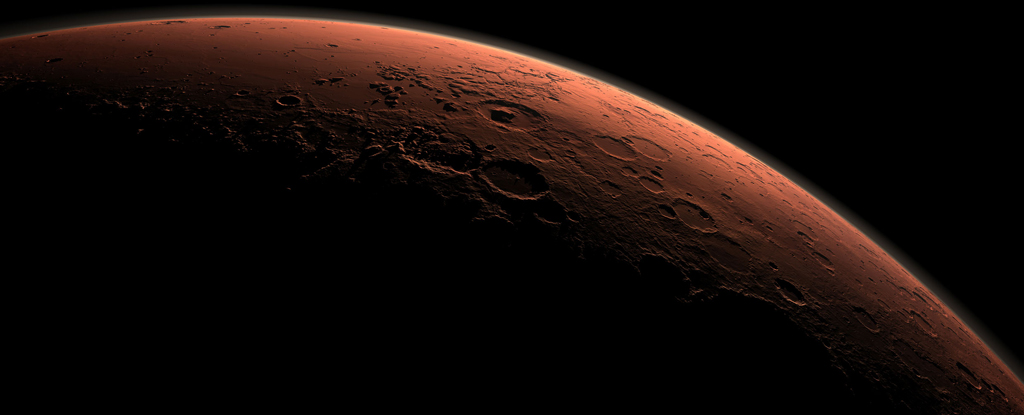
A team of researchers has uncovered evidence of its origins in the atmosphere, where carbon dioxide bathed in ultraviolet sunlight reacted to form a mist of carbon molecules that rained onto the planet's surface.
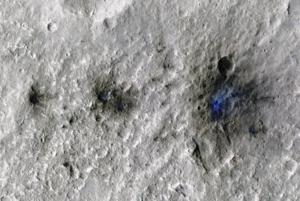
An international team of researchers combine orbital imagery with seismological data from NASA’s Mars InSight lander to derive a new impact rate for meteorite strikes on Mars.
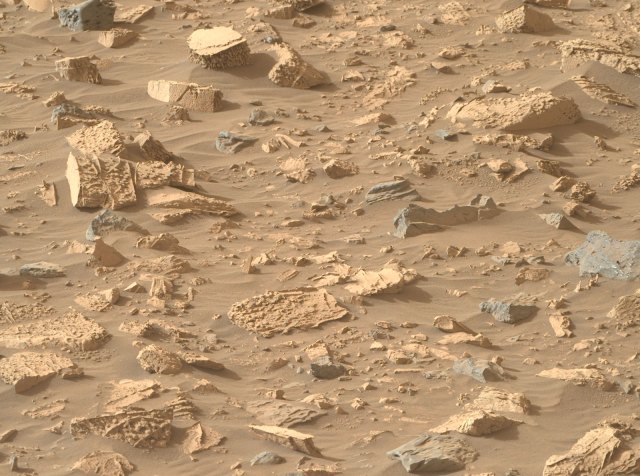
After months of driving, Perseverance has finally arrived at "Bright Angel", discovering oddly textured rock unlike any the rover has seen before.
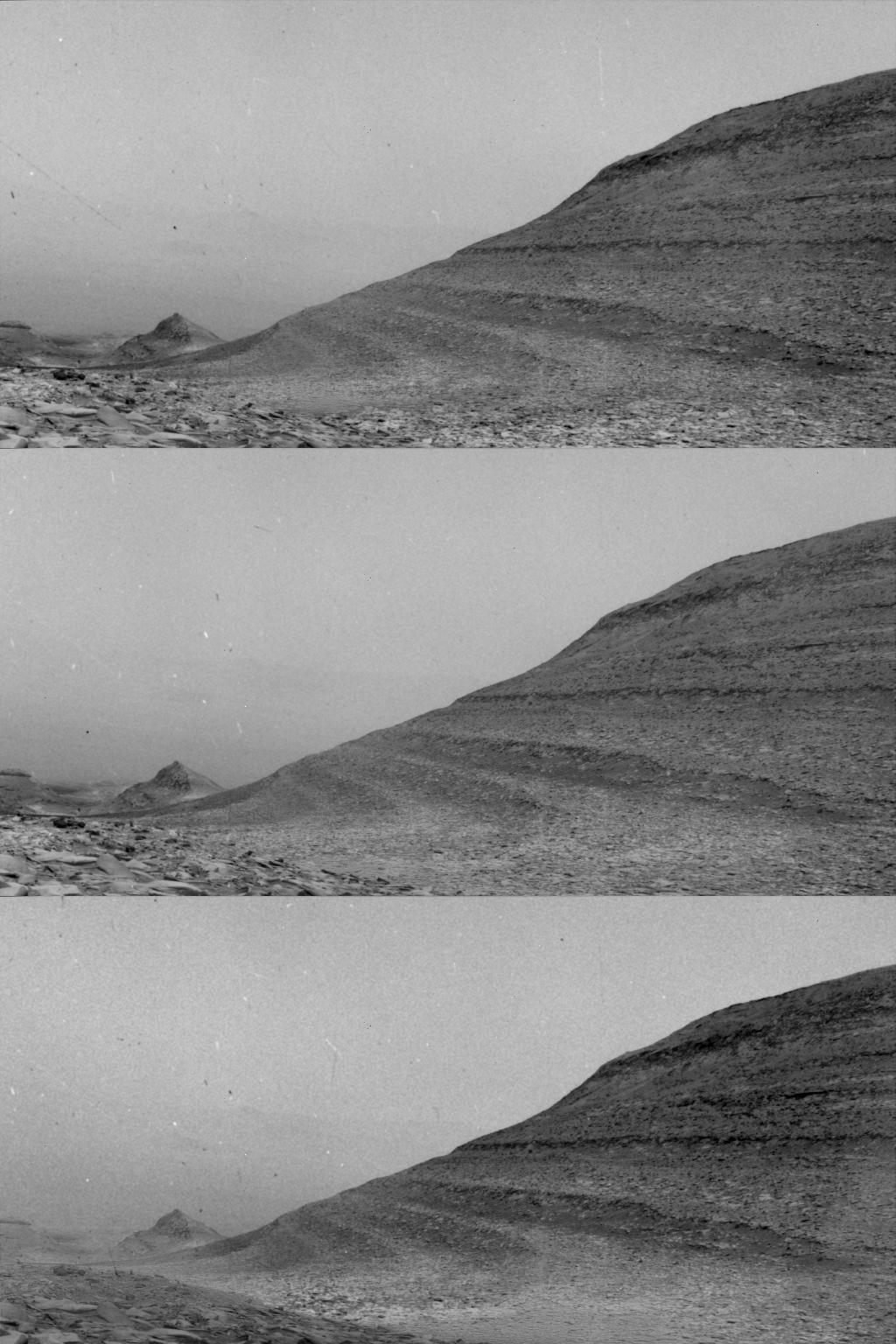
In addition to producing auroras, a recent extreme storm provided more detail on how much radiation future astronauts could encounter on the Red Planet.
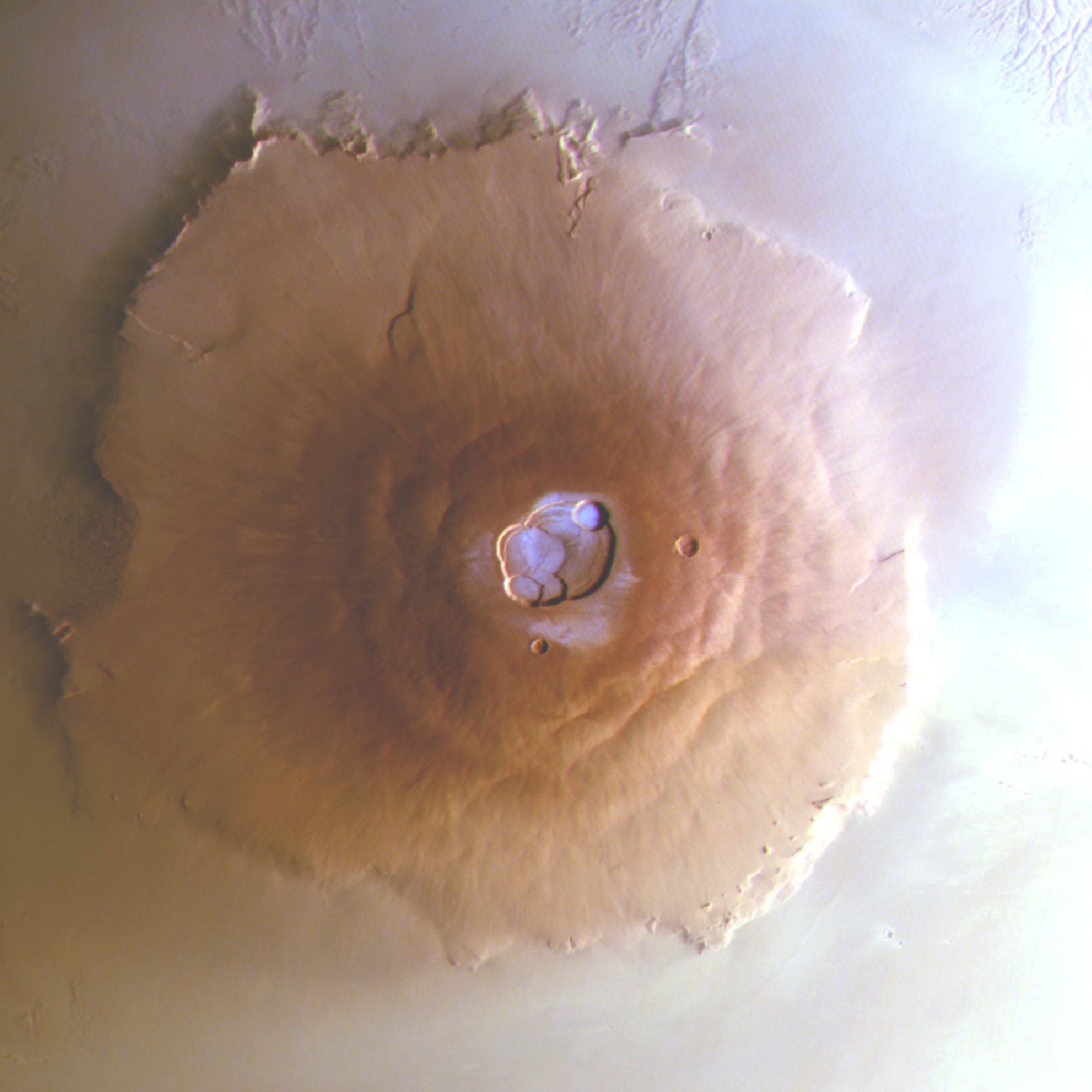
Morning images show frost briefly coating at least four colossal volcanoes: Olympus Mons, Arsia Mons, Ascraeus Mons, and Ceraunius Tholus.
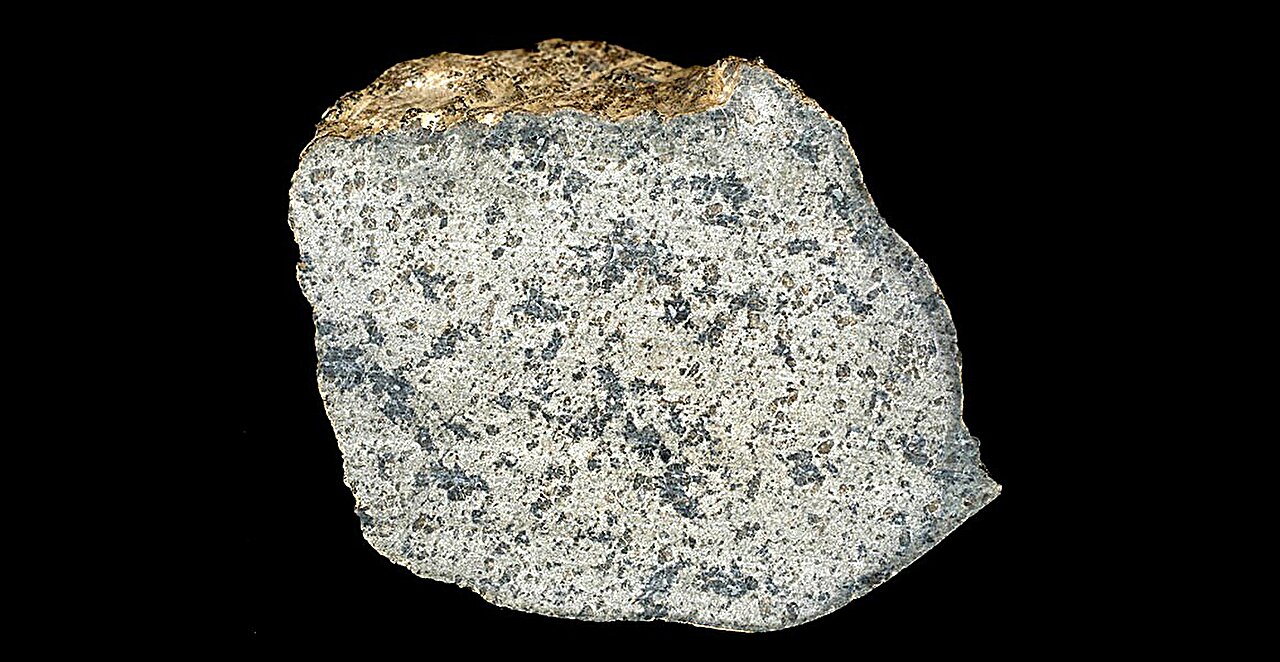
Mars has a distinct structure in its mantle and crust with discernible reservoirs, and this is known thanks to meteorites that scientists have analyzed.
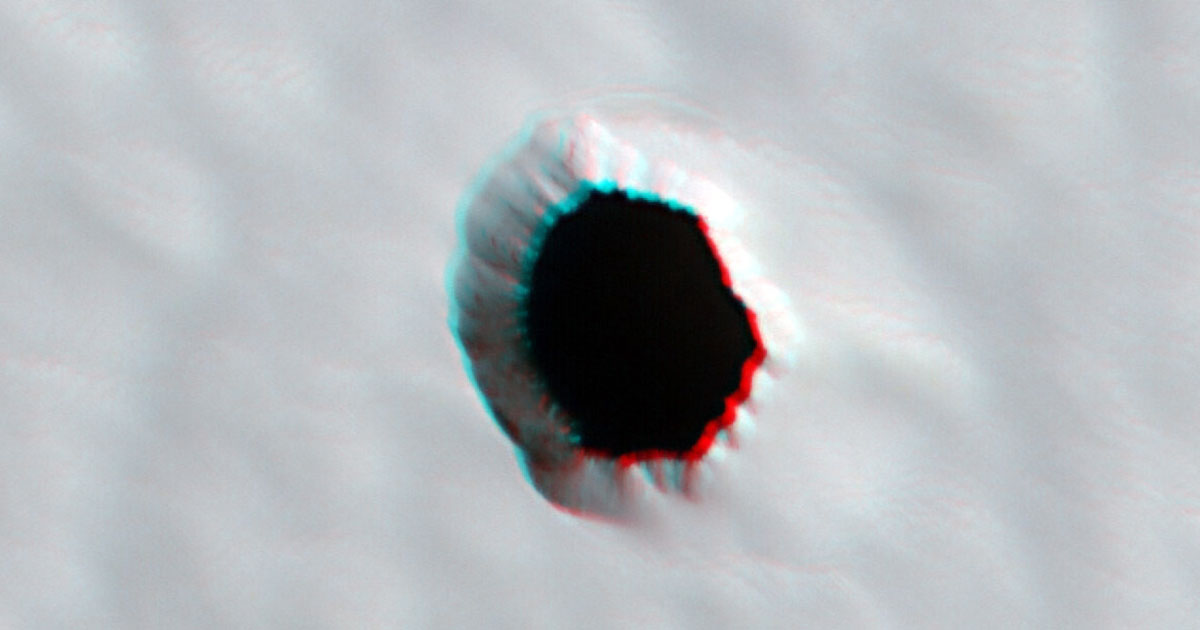
NASA's Mars Reconnaissance Orbiter (MRO) has discovered another intriguing formation on the planet's barren surface. Despite their best efforts, scientists can only guess as to how exactly holes like this one were formed.

Nasa says its Perseverance rover has essentially completed the job it was asked to do when it landed on Mars in February 2021.
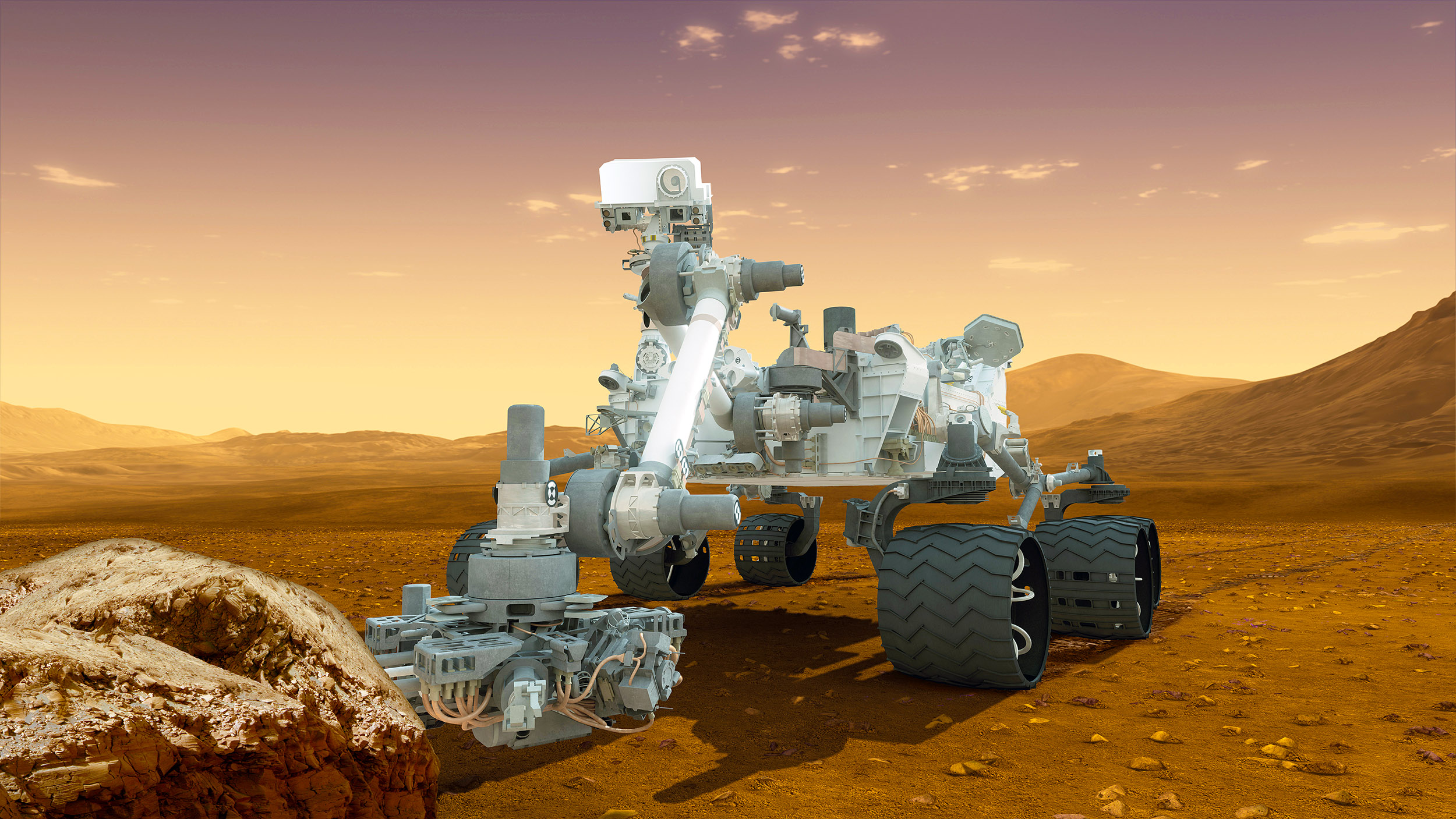
The mystery of life’s origins on Earth has long puzzled scientists, but a recent discovery on Mars might be shedding new light on this profound question, while also inching closer to finding life on Mars.
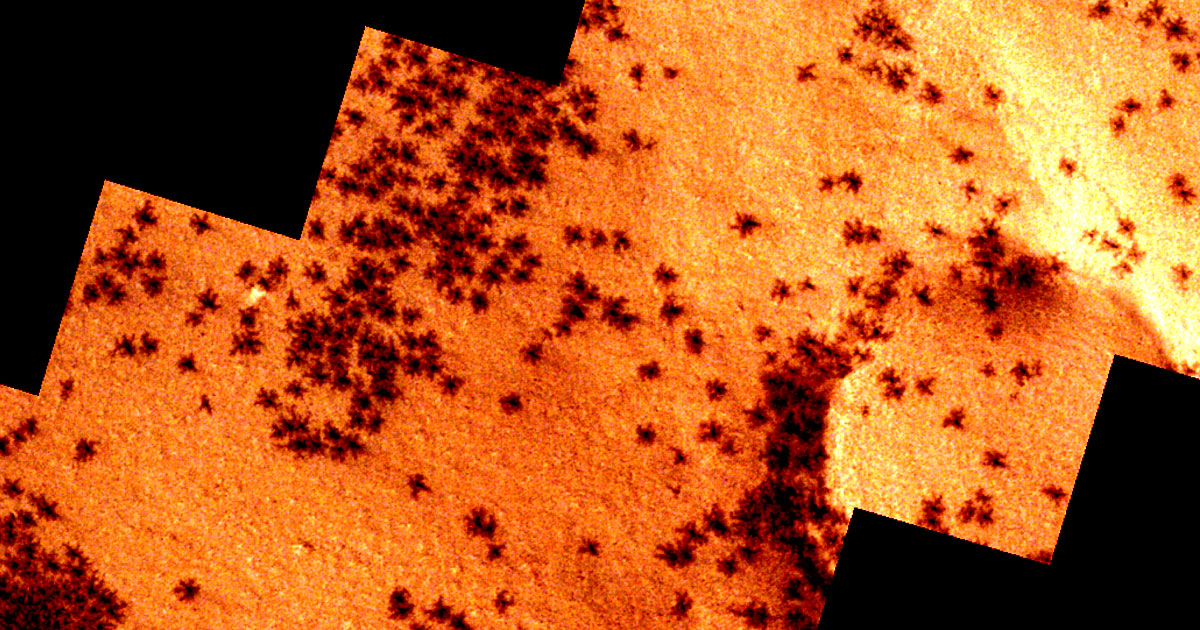
These so called "spiders" are the result of a complex geological process that causes carbon dioxide to sublimate, digging up darker material from below the surface during the planet's spring.

A team of scientists have found that a single meteorite was likely responsible for creating billions of craters on the Martian surface.

Although more eroded and not as tall, the newly discovered volcano rivals the others in diameter. It’s about 450 km across. The volcano sits on the eastern edge of a broad rise called Tharsis, home to 3 other well-known giant volcanoes.

Study reveals that deep-sea currents have been weakening, strengthening during 2.4m-year climate cycles

For a quiet, dusty lump of a planet we see today, Mars has had a surprisingly violent history, one that could reveal some clues about Earth.

If life ever existed on Mars, the Perseverance rover’s verification of lake sediments at the base of the Jezero crater reinforces the hope that traces might be found in the crater.


