
The results showed that AR-technology experience was beneficial especially for the pupils, who otherwise belong to the lowest achieving school success group.

A new paper published by scientists from the Griffith’s Centre for Quantum Dynamics claims that parallel universes do exist.
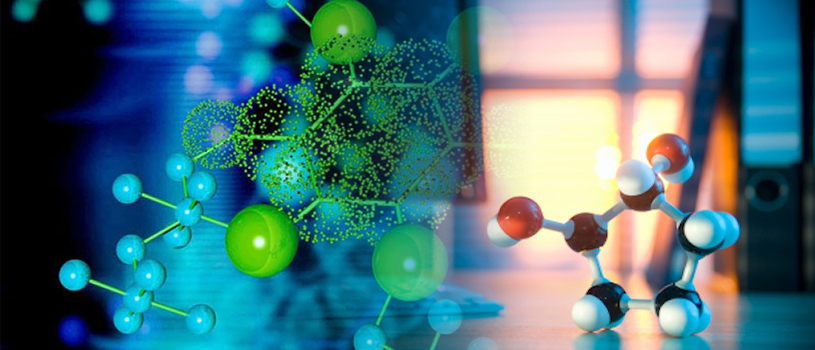
This study is a preclinical proof of concept using a universal CRISPR/Cas9 gene targeting approach that could be applied to majority of the patients with a specific disease.

An entirely new kind of electrical generation system could create abundant clean energy and also dispose of nuclear waste.

Inscape has infused a modern delivery of a traditional practice to facilitate meditation in a new way, one that's relevant to 21st-century lifestyles.
South Africa on Wednesday begins a major clinical trial of an experimental vaccine against the AIDS virus, which scientists hope could be the "final nail in the coffin" for the disease.
Dallas, USA is about to become one of the greenest cities in America – by building the country’s largest urban nature park.

Seattle teens are working to design and build safe transitional housing for homeless.

Survey of 163 of experts sees turbine size going up, costs coming down.

Abnormally high water temperatures caused by you-know-what are being blamed for the worst coral die-off ever recorded along Australia's Great Barrier Reef.

As cities become more congested and the pressure increases to reduce traffic as well emissions, moving sidewalks could become a viable alternative to cars.

A mix of technology and big data analysis will help deliver new services to millions of urban dwellers around the world.

For more than a decade, the Cassini spacecraft has been exploring the system of Saturn, some 1.2 billion kilometres from Earth. As the first phase of its final descent begins, we look at what it has discovered about the ringed planet and its moons, and what happens next.

Pacific Islanders are among the most vulnerable people to climate change. This is a way of fighting back.

Since the plastic bag tax has been introduced to the United Kingdom, there have been 40% less plastic bags per 100 meters of beach.


