
The devolved government of Scotland announced on Tuesday its plans to ban new gasoline and diesel cars by 2032.

Scandinavian countries are taking aggressive steps to reduce carbon emissions from their electricity sectors, despite some nations’ long reliance on fossil fuel revenues.

Earth.Food.Love is a unique supermarket that sells ethically-sourced and pesticide-free goods.
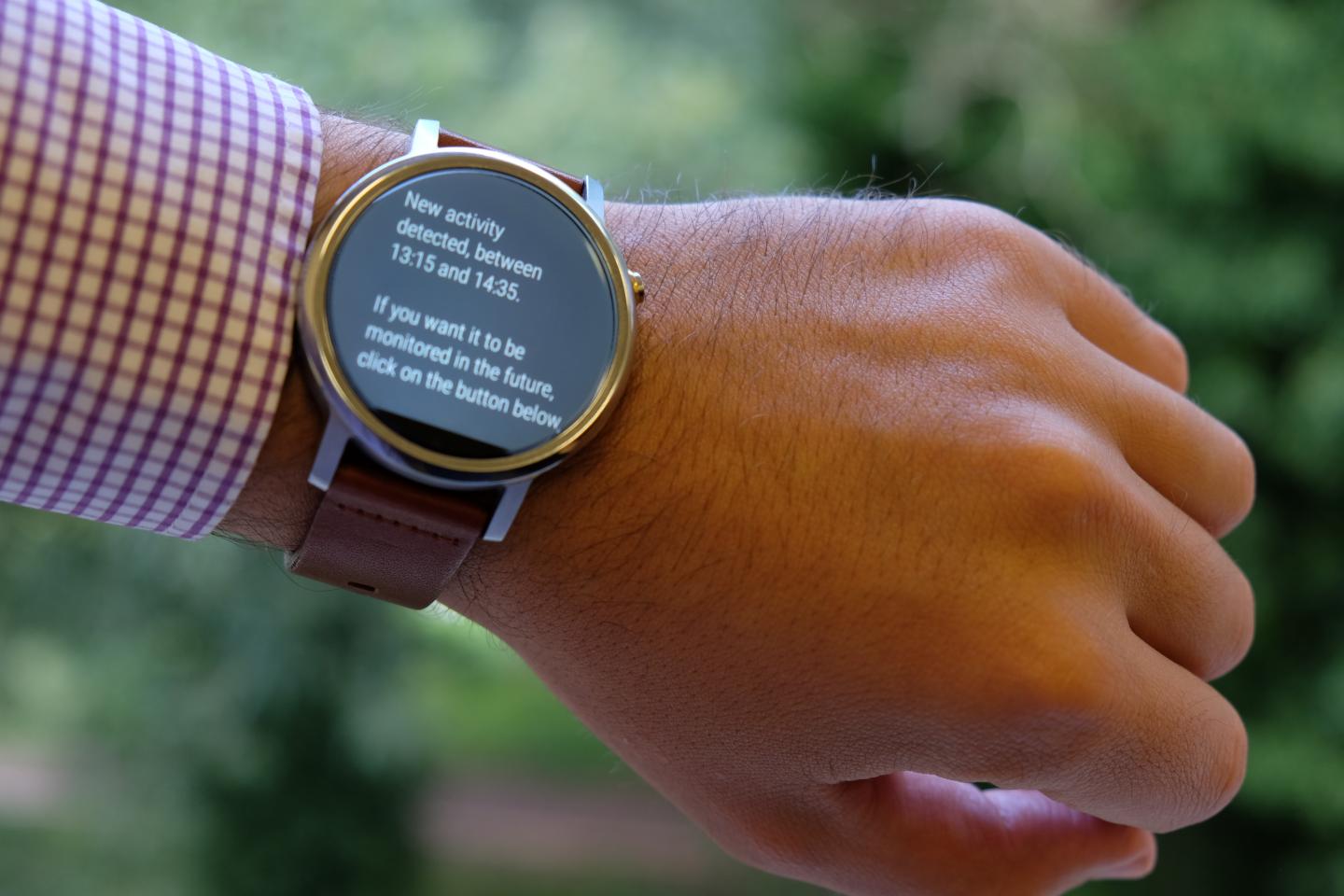
Scientists at the University of Sussex have invented a new algorithm that enables smartwatches to detect and record your every move, without being told beforehand what to look for.

Children may have a greater understanding of how to innovate and problem solve than previously realised.

SolarWindow Technologies says it can harvest energy from sunlight by applying a transparent film to glass or plastic.

Using the Green Bank Telescope, researchers with Breakthrough Listen recently detected repeating fast radio bursts coming from a distant galaxy.

The findings attribute more than 59,000 suicides in India to rising temperatures since 1980.

Robots and artificial intelligence are greatly advancing modern medicine. AI will help improve robot-assisted surgery, medical imaging, and drug discovery.

Blue Sky School was built to mimic entrepreneurial incubators and innovation centres.

China has reached its 2020 solar power target three years ahead of schedule, after installed capacity topped well over its 105GW target.

Smart is giving us a preview of what its future cars could look like and how it could forever change the world of car-sharing.

The results suggest that the outer planets of the system might still harbour substantial amounts of water. This includes the three planets within the habitable zone of the star.

Researches have identified an enzyme that catalyzes the conversion of fats to long hydrocarbons, which could be used as fuel with no further modification.

Climate change did not cause Harvey, or any other storm, but it makes intense storms like Harvey more likely to occur, scientists say.


