
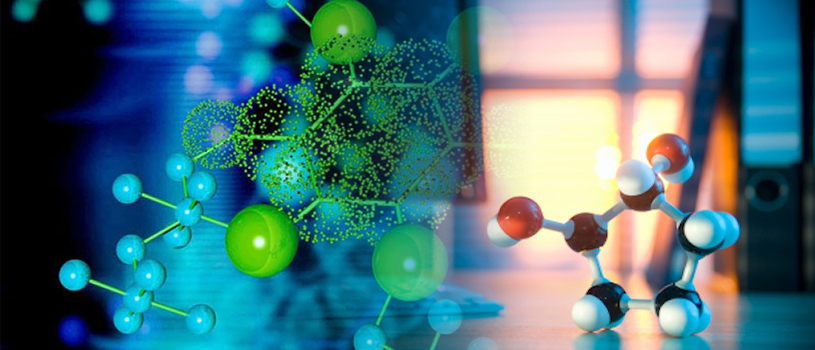
Professor YongKeun Park of the Physics Department at the Korea Advanced Institute of Science and Technology (KAIST) and his research team have developed a powerful method for 3D imaging of live cells without staining.

Researchers believe they have beaten the “Death Star” of cancer with a new method of treatment involving nanotechnology.

A new foam could let an aircraft alter its wing shape in midflight and, like a pelican, dive into the water before morphing into a submarine.
Eight percent of your DNA is alien, in that it�s made up of non-human, viral fragments. In fact, viral fragments are often hiding within the genome of anything on Earth that has a jaw and a spinal cord, which is a remarkable reminder of how they�ve shaped evolution for hundreds of millions of years.

Behold syn3.0, a synthetic bacterial genome that's smaller than anything found in nature. Biologists hope it will further our understanding of the fundamentals of life and inspire the creation of new synthetic life.

Right now, there are 4,186 people waiting for a heart transplant in the U.S., but with a huge donor shortage not all of these patients are likely to survive.

The last few years has seen a massive leap in terms of genome editing. With the development of the incredible CRISPR/Cas9 technique, never before have scientists been able to so easily and precisely identify, edit, or remove specific sections of DNA.

In December, the ATLAS and CMS experiments reported what could be the first hint of a new massive particle that spits out two photons as it decays. Now, physicists are presenting their latest analyses, including a full investigation of this mysterious bump. Both experiments have come to the same conclusion -- the bump is still there.
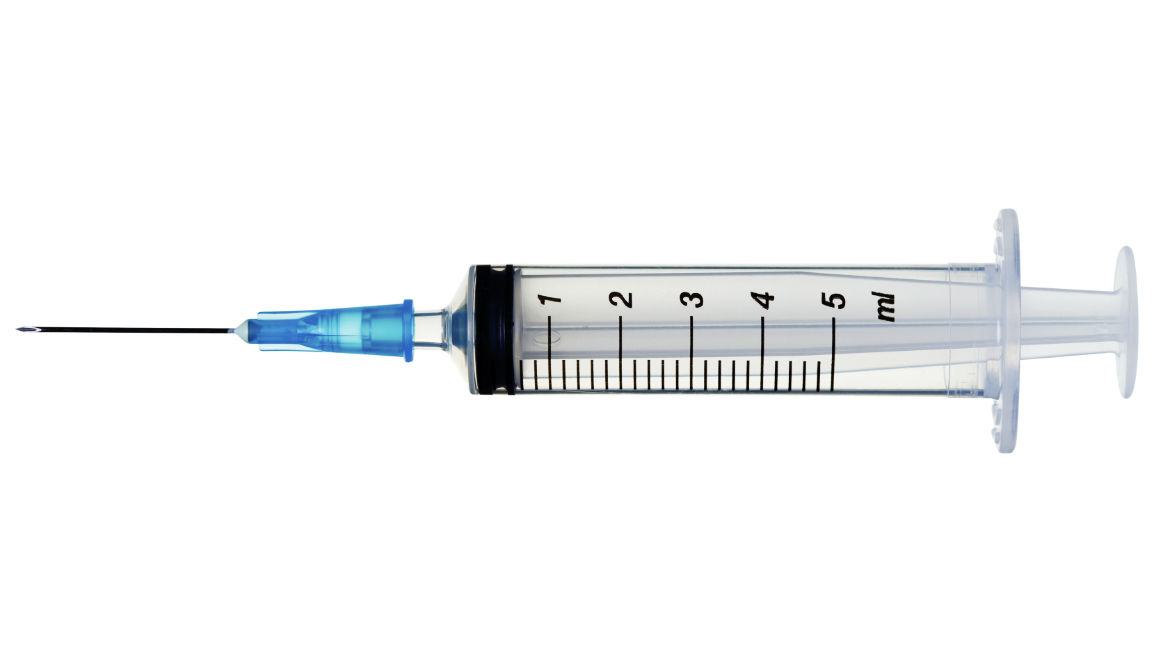
Imagine hearing that just one injection of stem cells could restore health to bones ravaged by osteoporosis. Scientists believe they may be close.

Scientists have succeeded in generating a new type of embryonic stem cell that carries a single copy of the human genome, instead of the two copies typically found in normal stem cells. These are the first human cells that are known to be capable of cell division with just one copy of the parent cell

Recent results from the Large Hadron Collider (LHC) in Switzerland hint at activity going on beyond the standard model of particle physics - which means we could finally be about to enter a new era in physics.
Harvard researchers have designed a new type of foldable material that is versatile, tunable and self actuated. It can change size, volume and shape; it can fold flat to withstand the weight of an elephant without breaking, and pop right back up to prepare for the next task.

Individual bacterial cells have short memories. But groups of bacteria can develop a collective memory that can increase their tolerance to stress. This has been demonstrated experimentally for the first time.

Engineers created a flexible, stretchy metamaterial that suppresses radar, effectively cloaking whatever it covers.

Researchers have developed a new way of growing realistic human tissues outside the body.


