
Robot. It’s the latest humanoid robot from Hanson Robotics. Love it or hate it their coming.

The Sun is capable of producing monstrous eruptions or "superflares" that can not only break down radio communication and power supplies, but also affect the Earth's ability to support life.

U of T engineers are researching technologies like lightweight materials and flow control, which could potentially improve efficiency, lower costs and reduce emissions in the aviation industry

In 2001, a study led by Scott White from the University of Illinois at Urban-Champaign brought self-healing technology into light.
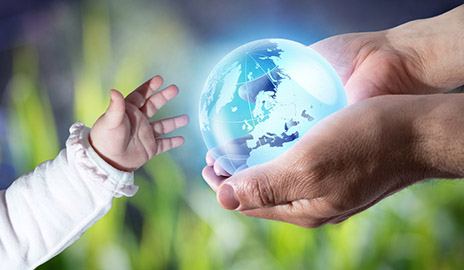
Global waste to energy market was valued at USD 24.0 billion in 2014 and is expected to reach USD 36.0 billion by 2020, growing at a CAGR of around over 7.5% between 2015 and 2020.

A quarter of all global deaths annually are related to environmental pollution and the death rate is increasing significantly, the World Health Organisation warned in its latest report.

When worlds collide, literally.
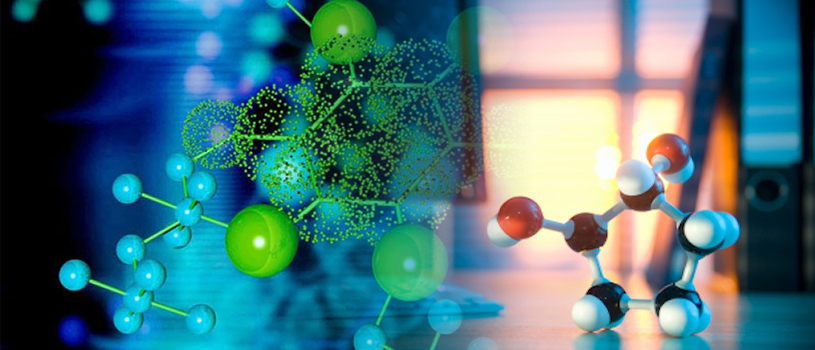
Professor YongKeun Park of the Physics Department at the Korea Advanced Institute of Science and Technology (KAIST) and his research team have developed a powerful method for 3D imaging of live cells without staining.

Researchers believe they have beaten the “Death Star” of cancer with a new method of treatment involving nanotechnology.

OLO, the company based in the US has come up with a 3D printer that can print 3D objects on the go, with a smartphone. They started their campaign on Kickstarter and they have already got $933,800 of the $80,000 for what they pledged.

Italian architects Paolo Venturella and Cosimo Scotucci designed a Global Cooling Skyscraper that would use wind power to cool the planet and battle global warming.

"It's a practical possibility," says biologist E.O. Wilson, and it could save 80 to 90 percent of all species on Earth.
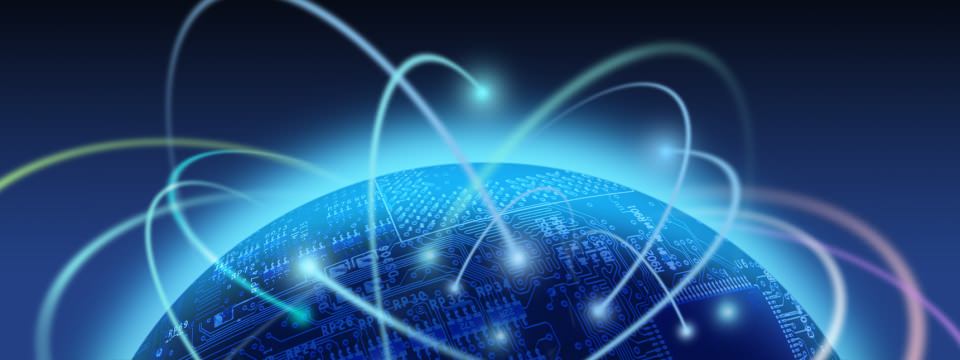
Physicists have unveiled a programmable five-qubit processing module that can be connected together to form a powerful quantum computer.

Holoportation is now a thing, so start slapping everyone in arm's distance to make sure they're real.

The impact humans have made on Earth in terms of how we produce and consume resources has formed a 'striking new pattern' in the planet's global energy flow, according to researchers.


