

Physicists have now discovered two types of sensors in animals that can detect magnetic fields close to the quantum limit, information that could improve our own design of magnetometer devices.

Findings indicate rising microplastic concentrations in human brains and organs, urging deeper investigation into their health effects and distribution.
A new class of magnetism called altermagnetism has been imaged for the first time in a new study. The findings could lead to the development of new magnetic memory devices with the potential to increase operation speeds.
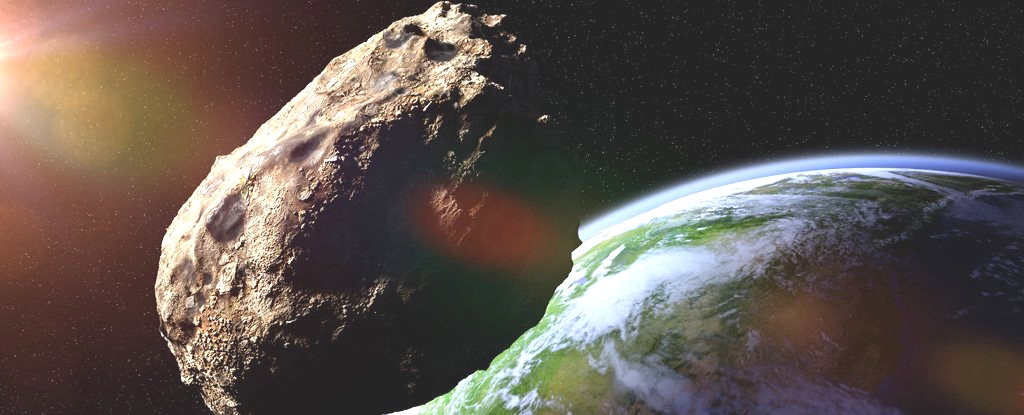
Asteroid, 2024 YR4, is on a path that might lead to a collision with our planet on 22 December 2032. Calculations suggest there is currently around a 1-in-77 chance that the asteroid will crash into our planet at that time.

A paradox at the heart of quantum physics has been tested in an extraordinary fashion, pushing the boundaries of human intuition beyond breaking point by measuring a pulse of light in 37 dimensions.
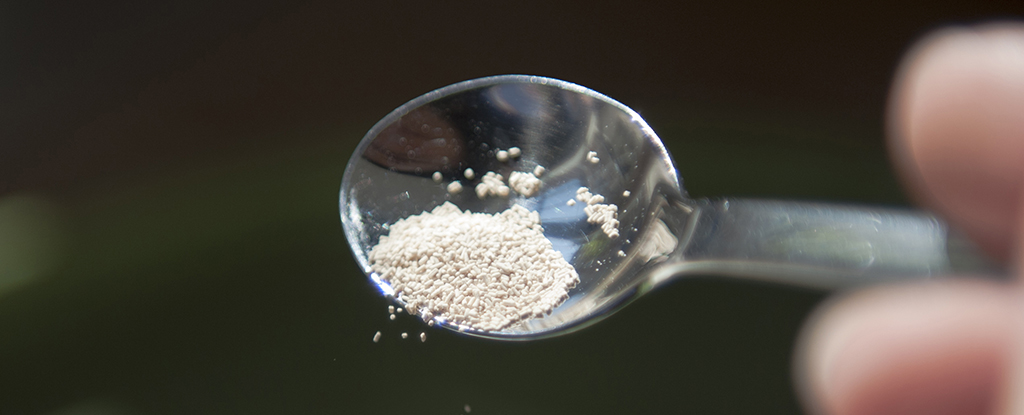
After more than a decade of work, researchers have reached a major milestone in their efforts to re-engineer life in the lab, putting together the final chromosome in a synthetic yeast (Saccharomyces cerevisiae) genome.
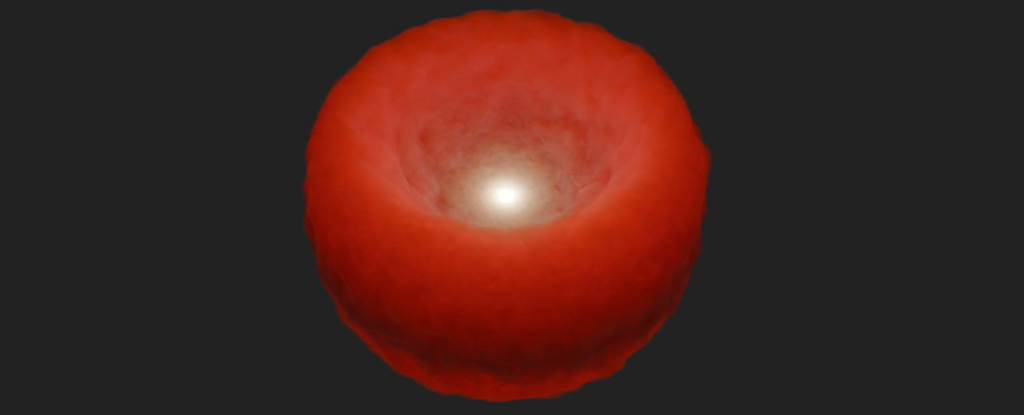
By some reckoning, as few as 15 percent of supermassive black holes are hidden behind dust clouds.
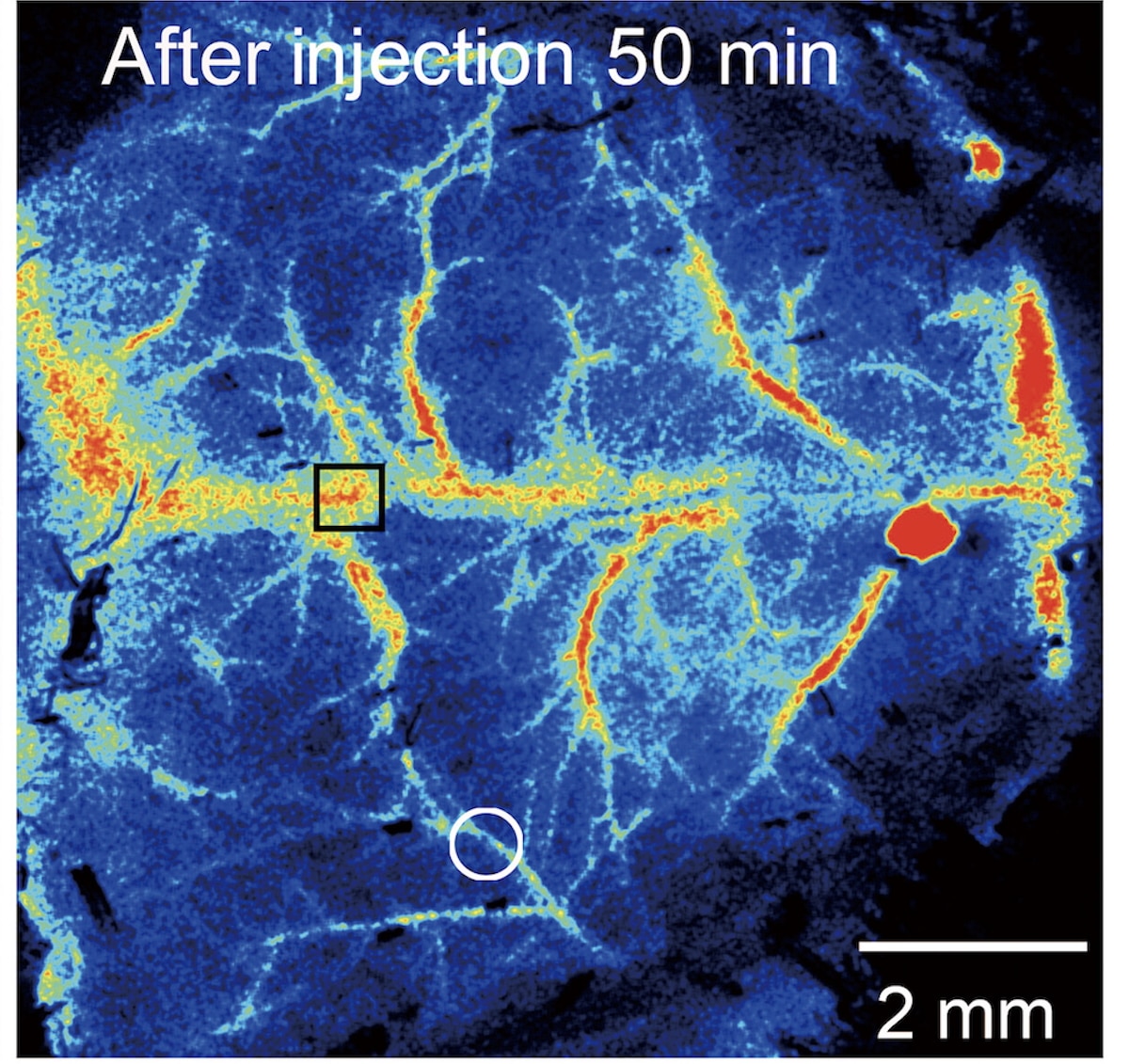
Scientists have found in lab experiments that microplastics can block blood flow in mice brains, raising concerns about human health impacts.
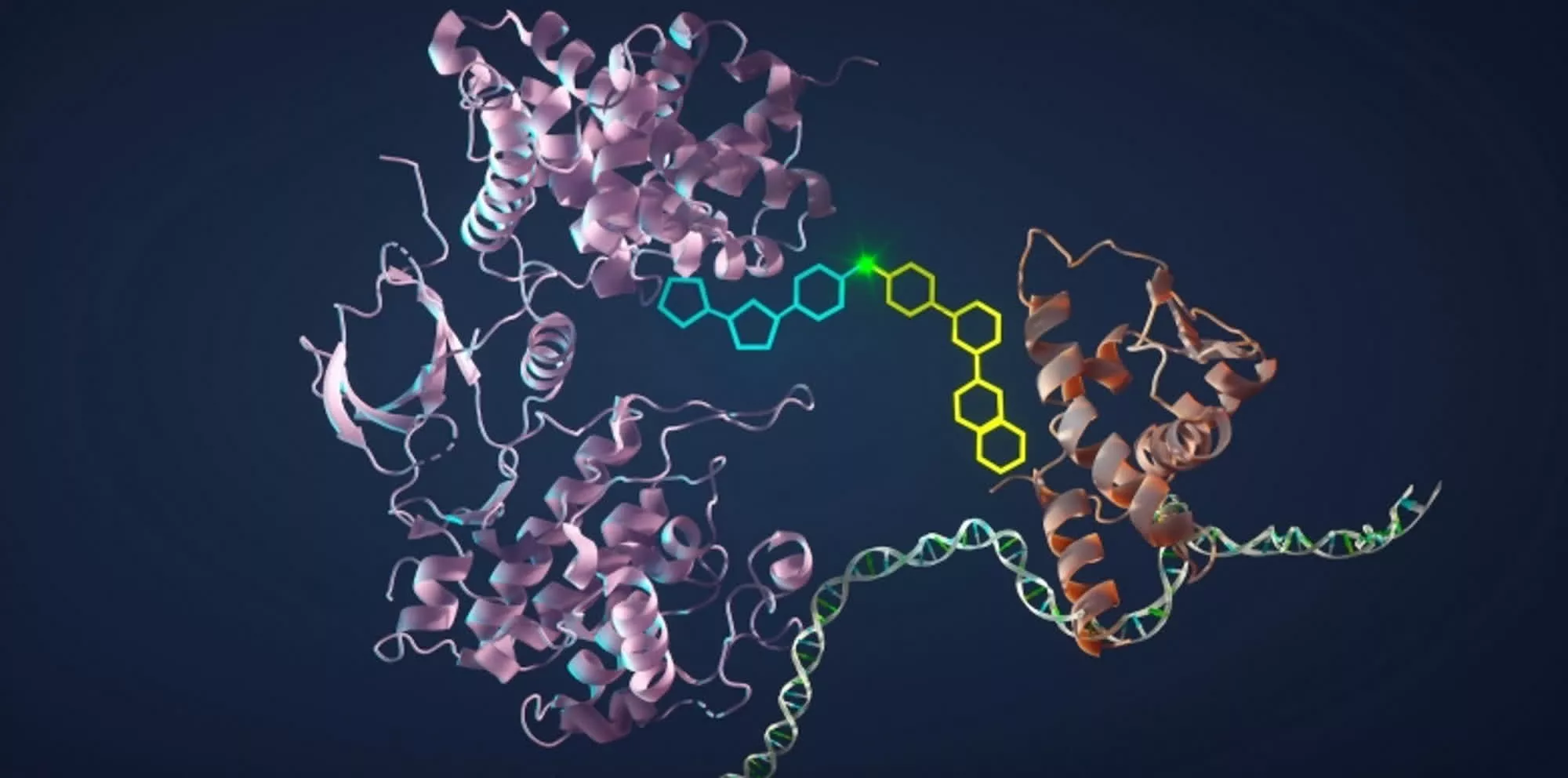
A team of AI researchers, biologists and evolutionary specialists have designed and built an AI model capable of generating the code to synthesize novel proteins.

During a flyby of Jupiter’s moon Io on December 27, 2024, NASA’s Juno spacecraft discovered an astonishing volcanic hotspot in the moon’s southern hemisphere.

Iconic Doomsday Clock moves one second closer to midnight as global existential threats rage. Clock factors include nuclear weapons, climate crisis, artificial intelligence, infectious diseases, and conflicts in Ukraine and the Middle East.
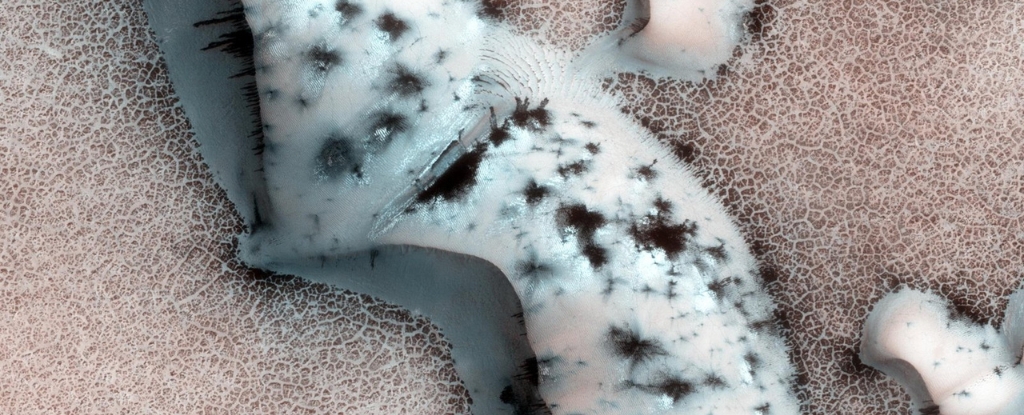
Though it's a cold, dead planet, Mars still has its own natural beauty about it. This image shows us something we'll never see on Earth - Martian CO2 geysers.
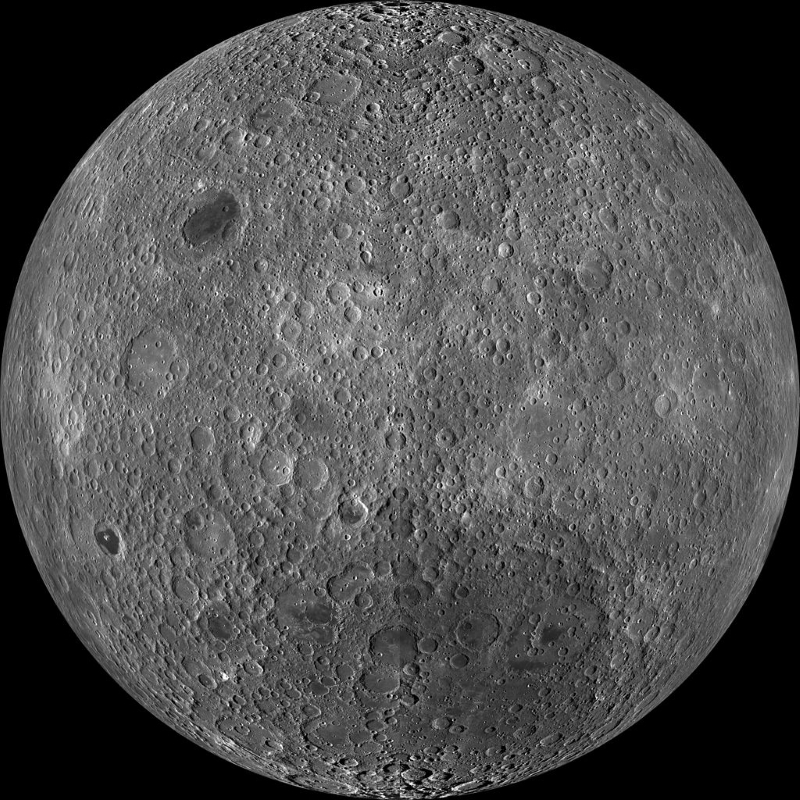
Recently scientists found 266 lunar ridges on the far side: evidence the Moon has been active within the past 200 million years and might still be active today.
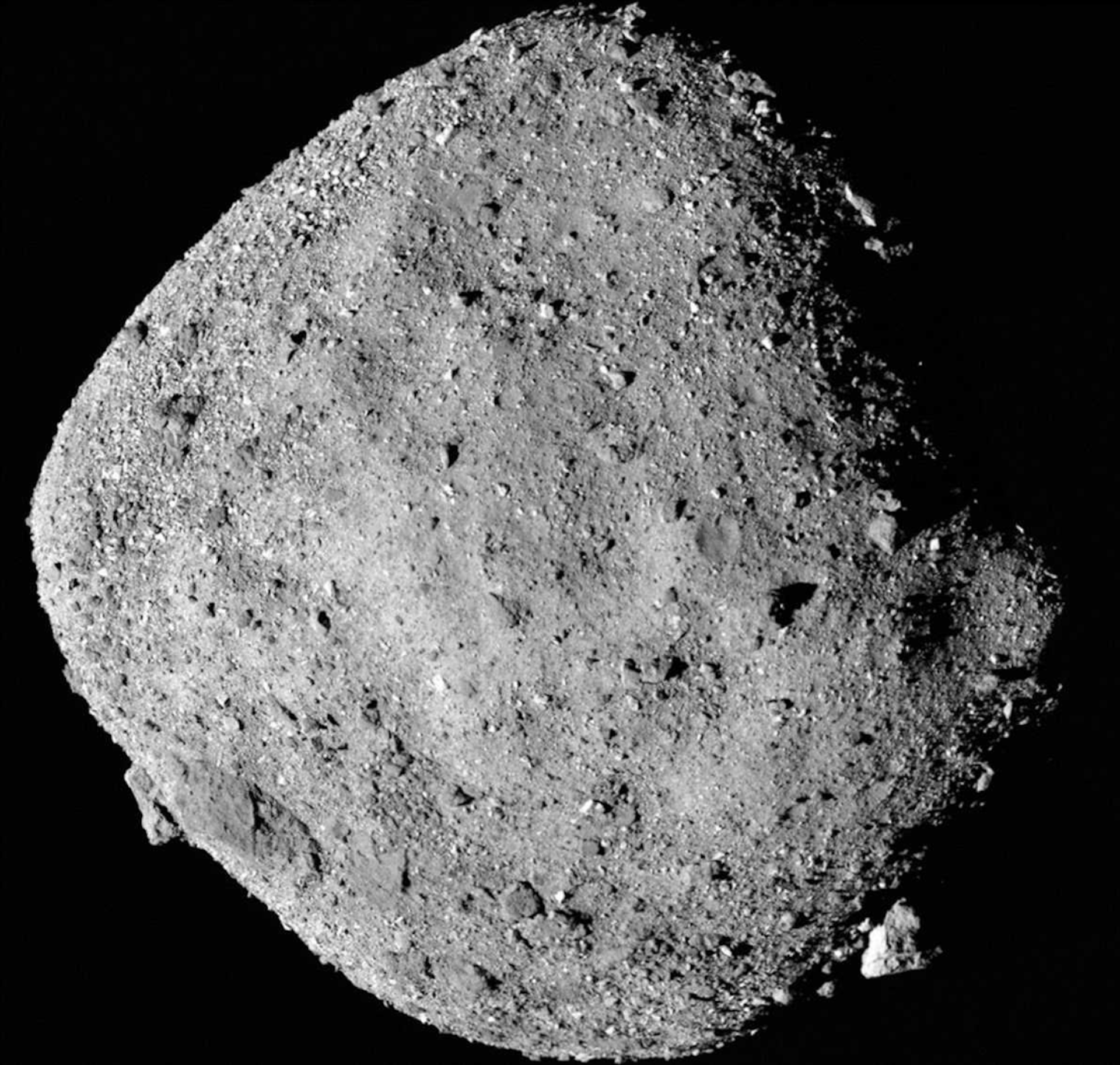
New findings reveal that a NASA mission traveled to an asteroid that may have once been covered in salty lakes containing organic molecules.
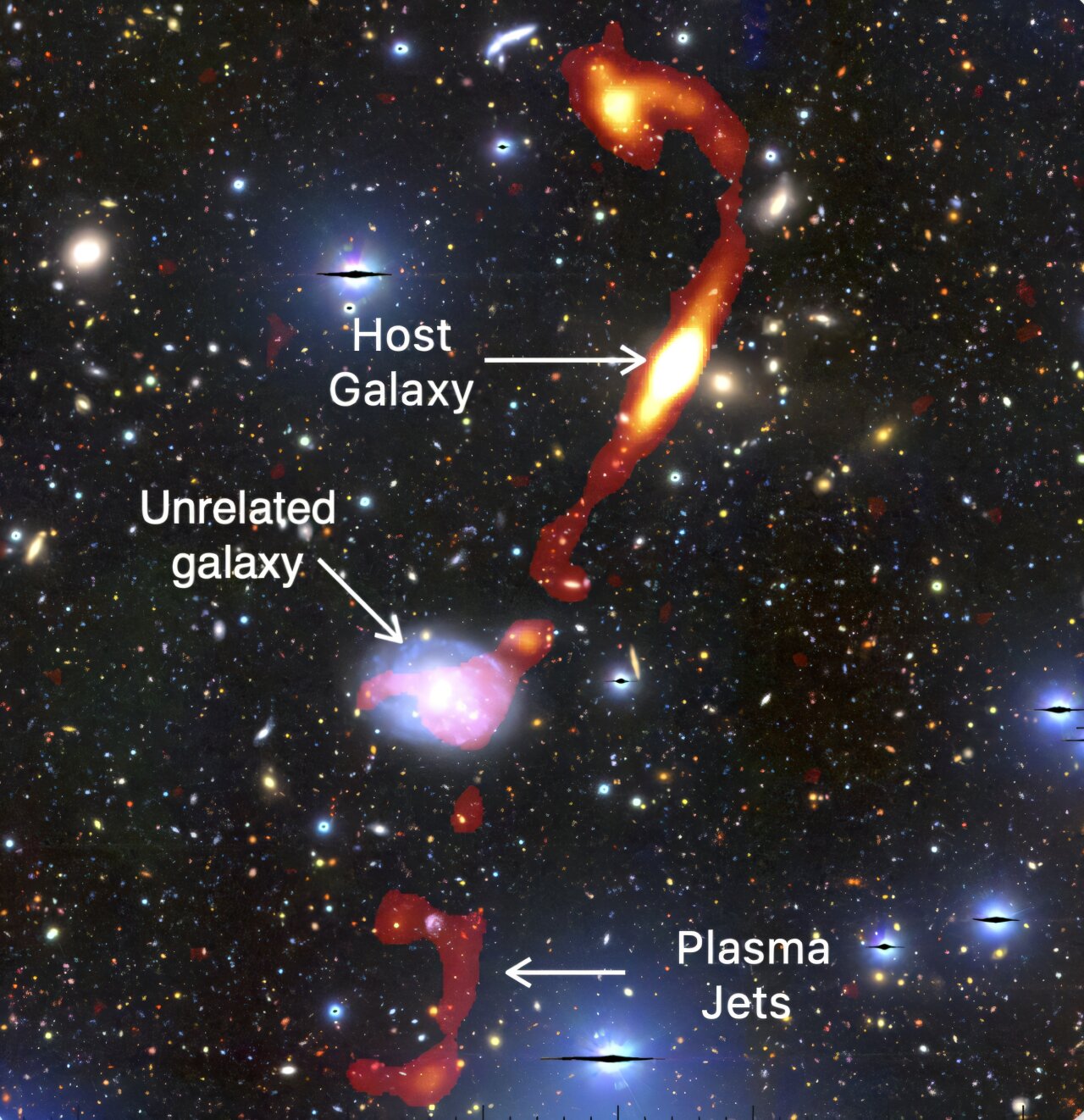
Astronomers have discovered an extraordinary new giant radio galaxy with plasma jets 32 times the size of our Milky Way.


