

Without planning and cooperation, EU countries could be up against a water problem.

This may be the first ever recorded case of “healing” brain damage.

A new electrochemical energy harvesting device can generate electrical current from the full range of human motions and is thin enough to embed in clothing.

The Deep Underground Neutrino Experiment (DUNE) will count with the support of 1,000 scientists and engineers from different parts of the world to study the properties of the neutrino.

New technology has enable the World's first floating wind farm to be constructed and the platform has emerged, for its first public viewing, off coast of Scotland.

Editing genes, ageing populations, rising sea levels… the world is moving faster than ever. What will those trends mean for our society over the next 30 years?
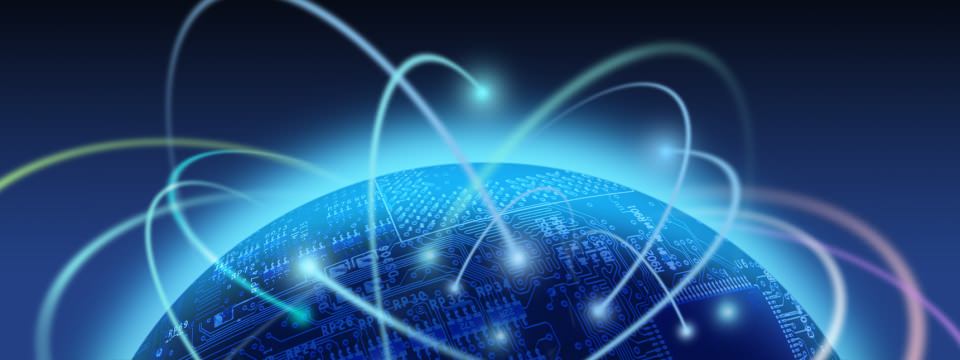
Atos introduces the world's first commercially available machine-system capable of simulating up to 40 quantum bits (Qubits).

Montreal supermarket claims to be the first grocery store in Canada to sell produce grown on its own roof.
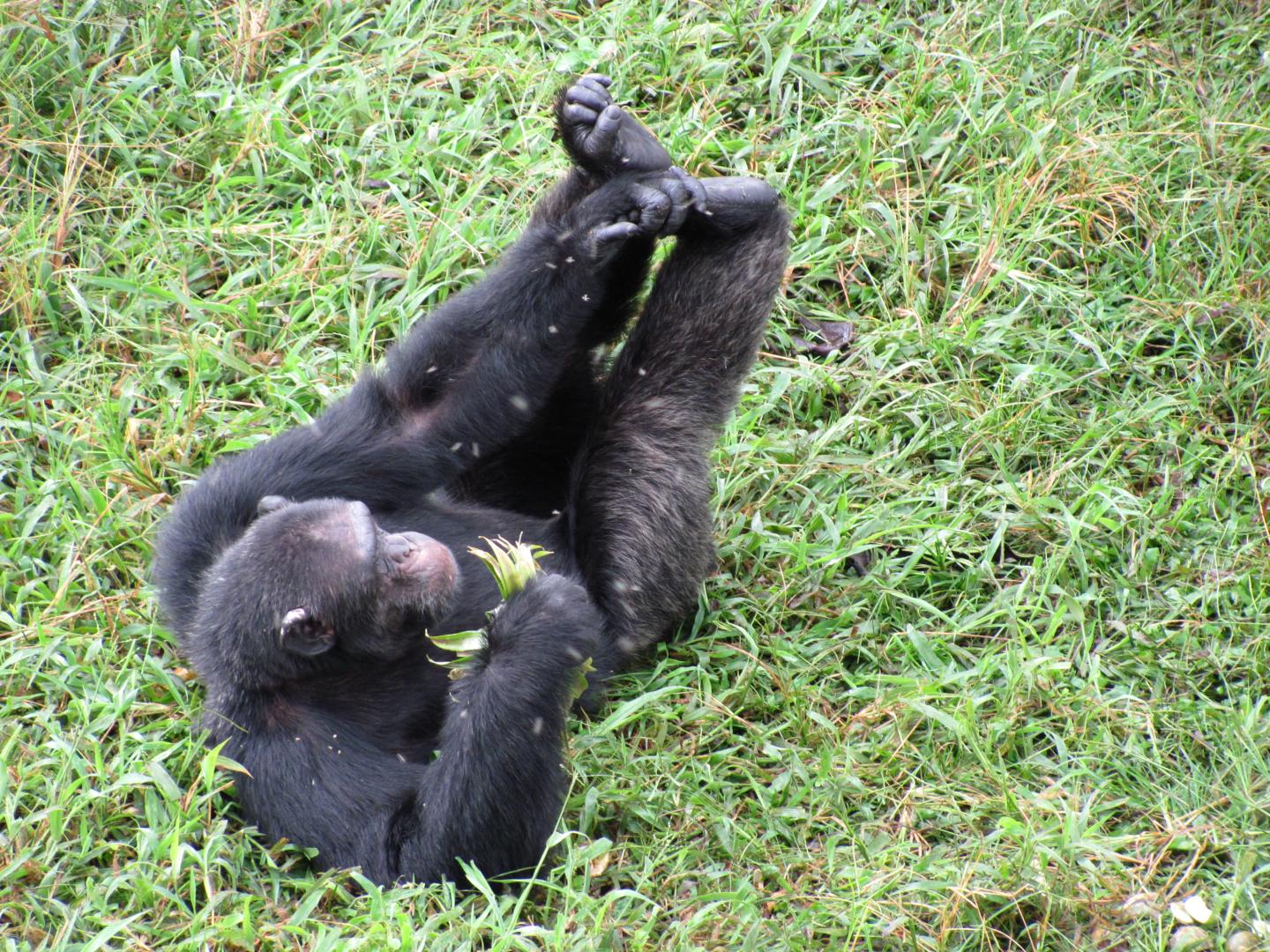
A slow deforestation and preserve endangered chimpanzee habitats by paying poor landowners in Uganda not to cut down trees on their property.

Engineers create brighter, full-color holograms that can be viewed with low light.

The trillion-ton iceberg that broke off Antarctica last week will not go quietly into the night. New satellite imagery reveals that the iceberg, dubbed A68, is already cracking up.

Schools in three cities will serve 140,000 vegan meals per week.

Scientists have calculated the total amount of plastic ever made - it’s a lot. But what’s even more disturbing is where all this plastic is ending up.

Using data from the Sloan Digitial Sky Survey, an Indian team of astronomers has discovered one of the largest cosmic structures to date - the Saraswati Supercluster.
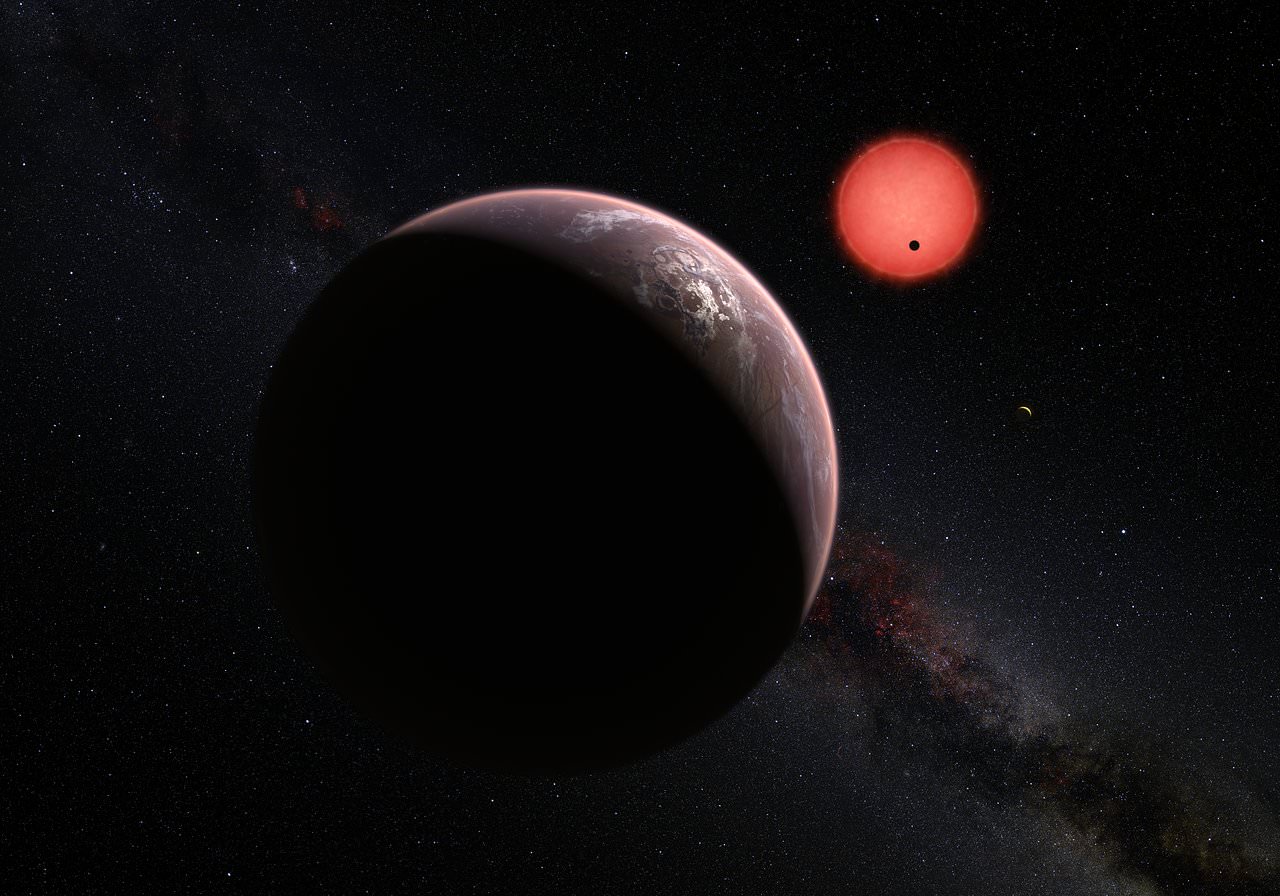
A recent survey conducted by the Arecibo Observatory detected a strange radio signal coming from Ross 128, a star system just 11 light-year from Earth.


