

Using the now-complete Cassini data set, astronomers have created a new global topographic map of Titan.


Later this year, the Chang’e 4 mission will depart for the far side of the Moon, where it will study the local geology and test the effects of lunar gravity on insects and plants.

Founded in 2013 by Boyan Slat, an 18-year-old from the Netherlands, The Ocean Cleanup has been dubbed “the largest cleanup in history.”

Today, more than 50 cities and towns in the United States have committed to move to 100 percent clean, renewable energy.
A company who controls the grid system of the Netherlands, released plans to construct an artificial island to host the world's largest wind farm.

The Indian government has launched an ambitious floating solar power programme.

Researchers at Los Alamos National Laboraotry are creating double-pane solar windows that generate electricity with greater efficiency and also create shading and insulation.

Researchers refine method of making bio-ink droplets stick to each other, enabling 3D printing of highly complex biological structures with a wide variety of cell types using inkjet printers.

Scientists have long sought to unravel the mysteries of water, and researchers at Stockholm University say the compound's odd behavior stems from its ability to exist in two, liquid states.
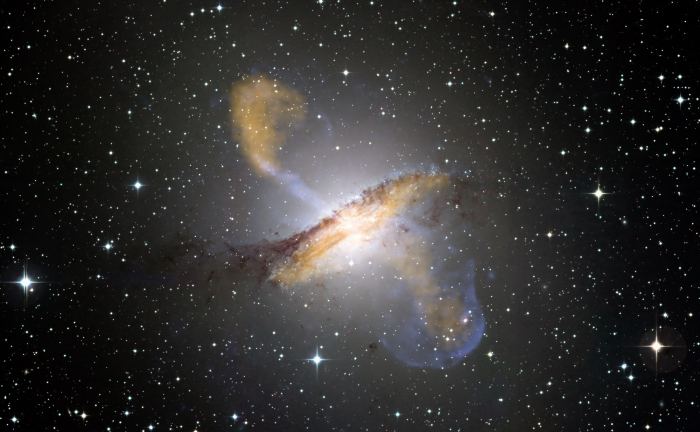
A new study by a team of international astronomers has provided the first direct evidence that supermassive black holes affect star formation in their galaxies.

Researchers plotted temperature rises against the number of asylum applications and are predicting that as the southern hemisphere heats up the number of people migrating to the EU each year will triple.
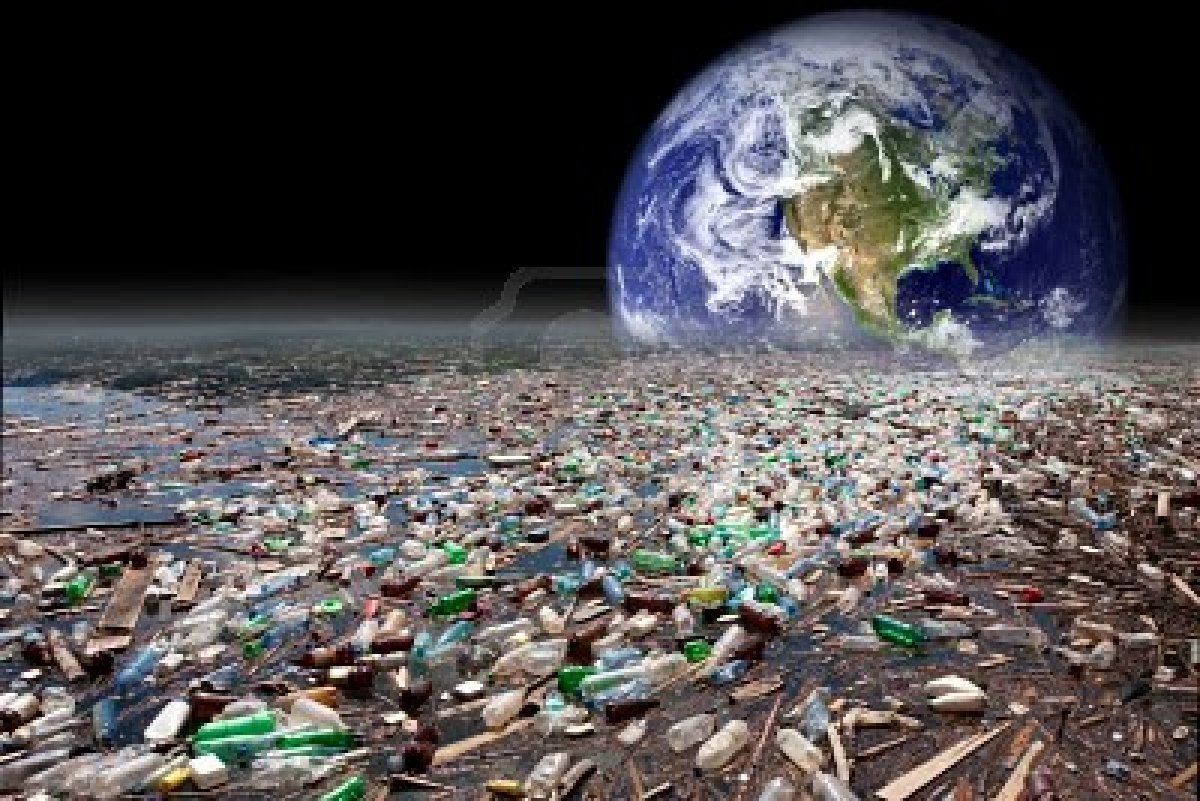
Beijing inspectors went to some of the most polluted cities in the world to discover thousands of officials had failed in their roles to care for the environment.

The E-Fan X will offer partially electric powered flights that are cheaper, quieter, and more sustainable.

Antibiotics could become nearly useless by mid-century against intense infections due to bacteria evolving antibiotic resistance. It's time to develop alternatives to antibiotics for small infections.


