
Presence of a gene variant involved in sensory pleasure and pain reduction may contribute towards making a population happier than others, suggests new research.

FOR ALL THE furious hype around the gene-editing tool Crispr/Cas9, no one has ever really seen it in action. Like really seen it. How the protein Cas9 unzips a strand of DNA, how it slips in the molecule that guides it to a target—and finally, how it goes snip snip on the DNA.

World Future Energy Summit announced today the launch of the new Future Cities Forum.

Scientists may have created a nano-reactor that can produce hydrogen fuel.

Last August, Stephen Hawking tantalised the world by saying he'd worked out a solution to the “black hole paradox”. He's now dropped the first detailed discussion of his hypothesis for the world to pore over, here at ArXiv in a paper entitled Soft hair on black holes.

New touchscreen technology that has the potential to improve display transparency and sensitivity has been developed by researchers in Switzerland , thanks to a specialised microscopic 3D printing technique.

In the future, these structures may be used to develop compact optical devices, as well as to create an 'invisibility cloak.'
Hyperloop Technologies has begun work on a Hyperloop test track -- the futuristic transportation system envisioned by Elon Musk.

2016 will be the year that the Internet of Things market starts to make a profound impact on the world of sustainability, with endless possibilities to slash global emissions through interconnected devices and objects.
Astronauts and NASA personnel look the future and where they think the space program will go next.

Overlooked brain area has a 'motherlode' of autism genes. These genes are mutated Rbfox1 - which regulates cell proteins. When Rbfox1 genes 'go awry', it can increase the risk of autism. Scientists discovered a region of cells full packed with Rbfox1 genes. This finding provides fresh drug targets for new therapies.

Construction for the first phase of Morocco's Noor 1 power plant is nearing completion. Once complete in 2020, the solar farm will be the largest of its kind in the world. But even now, the plant's half-million solar mirrors are already visible from space.
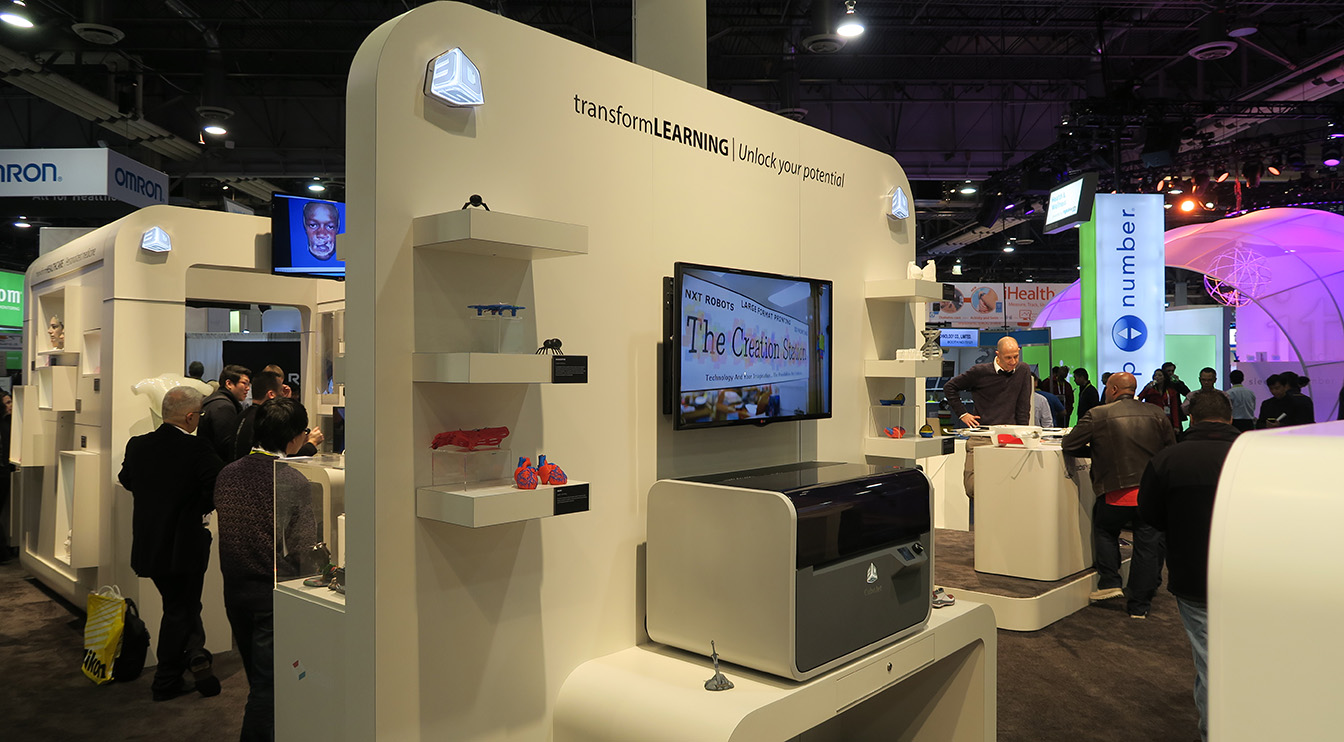
3D printing was bigger than ever at CES this year, including a slew of new models from low to high end. Better yet, there were a lot more practical solutions showcased, and there is an emerging ecosystem to support organizations that need 3D printing capability.

Reality seems pretty stubborn, pretty fixed and pretty much independent of whatever is going on in your head. But is it, really? Astrophysicist Adam Frank explores the scientific debate.
BOULDER—The National Center for Atmospheric Research (NCAR) announced today that it has selected its next supercomputer for advancing atmospheric and Earth science, following a competitive open procurement process.


