
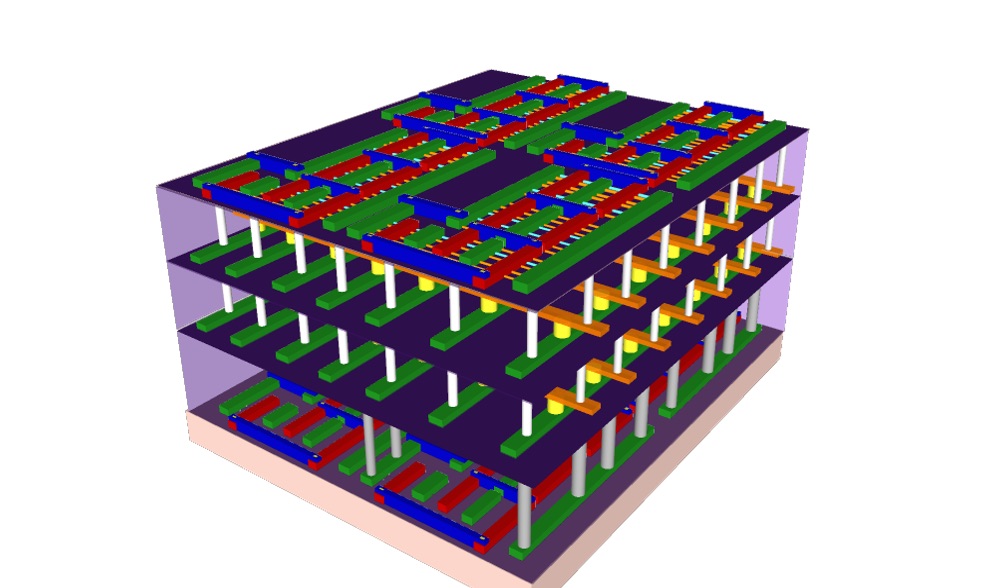
A new computer chip that uses carbon nanotubes and builds connections in 3D could be 1,000 times faster than current technology.
Discover a new dimension to Virtual Reality with the brand new 7D Cinema Experience. 7D Cinema has become some of the most popular attractions at major theme parks, where people stand in line for hours to enjoy a 7D show.

Researchers have announced breakthroughs in the development of tunneling field effect transistors, a semiconductor technology that takes advantage of the quirky behavior of electrons at the quantum level.

Inspired by a toy, the

(PhysOrg.com) -- Since its discovery in 2004, graphene -- sheets of carbon an atom thick -- has sparked a flurry of research into the nanomaterial

Google has confirmed the existence of a project to build glasses with a heads- …
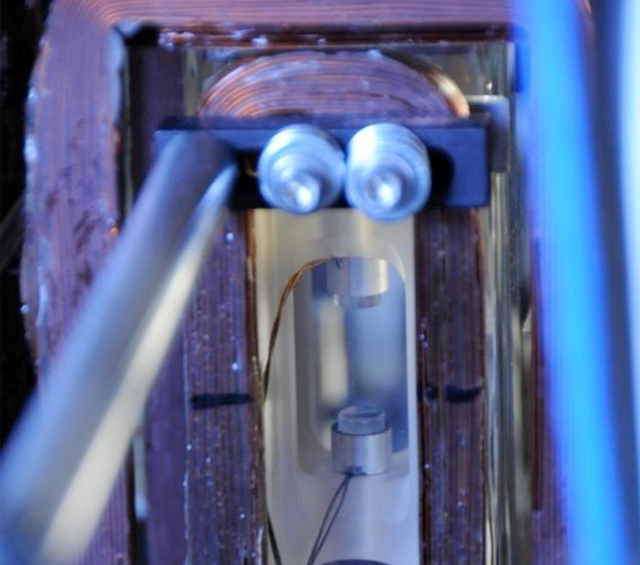
Ordinary lasers emit photons that have nearly identical frequencies, but for …
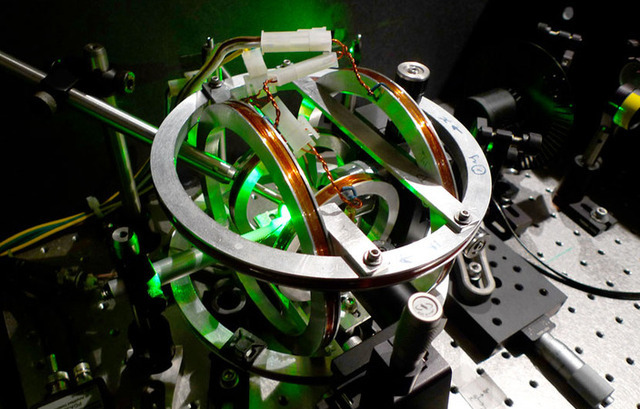
Scientist show how to make atoms swing to the beat (frequency).

(PhysOrg.com) -- UCLA researchers are now able to peer deep within the world

In the continual quest for better thermoelectric materials -- which convert heat into electricity and vice versa -- researchers have identified a liquid-like compound whose properties give it the potential to be even more efficient than traditional thermoelectrics.

The tiny, high-speed computer chips found in every modern electronic device bear little resemblance to their bulky, slow ancestors of decades ago. Different materials, new designs and new production techniques have ensured successive generations of integrated circuits offer ever more performance at lower cost.

Scientists have provided the first experimental determination of the pathways by which electrical charge is transported from molecule-to-molecule in an organic thin film. These results also show how such organic films can be chemically modified to improve conductance for superior organic electronics.

Scientists are one step closer to making more complex microscopic biological machines, following improvements in the way that they can

Researchers have found a way to create temporary holes in the membranes of live cells using a standard inkjet printer. Creating temporary pores allow researchers to put molecules inside of cells that wouldn


