

This little girl decided to skip Disneyland and fairy tale reenactments to use her Make-A-Wish grant to become an environmental philanthropist. After Amelia Meyer was diagnosed with brain cancer, the Missouri child said that her dream was to pick up huge amounts of trash in her Kansas City community.

Regulations that limit heavy metal pollution from oil- and coal-fired power plants will continue to be enforced by the EPA — at least for now — thanks to Supreme Court Chief Justice John Roberts.

A new electroluminescent material stretches to more than six times its original size while still emitting light. One potential use: robot skin.
Leonardo DiCaprio has won an Academy Award for best actor for his role as a betrayed 19th century frontiersman in The Revenant. The actor used his acceptance speech to warn about the effects of global warming, saying ‘Let us not take this planet for granted. I do not take this night for granted’

For the first time ever utility-scale solar projects will add more new capacity to the nation’s grid than any other industry this year, the U.S. Energy Information Administration reported Tuesday.
Gravitational waves sent out from a pair of colliding black holes have been converted to sound waves, as heard in this animation.
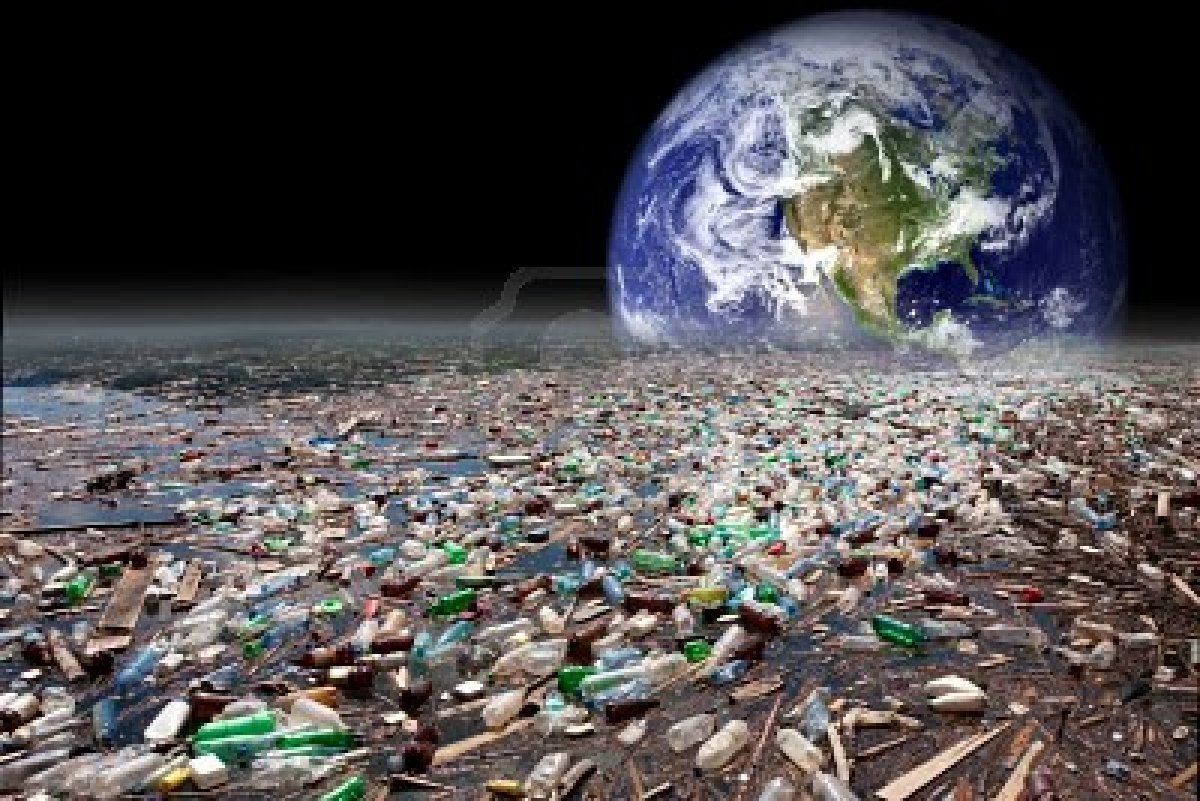
A health crisis mounts as two million tons of trash spill into the streets, creating what people have begun to call a ‘river of trash‘ that flows through the city, spewing garbage and toxins into the once-beautiful area.

Siemens has won an order from Esinti Enerji to install turbines for 54-megawatt onshore wind power plant in western Turkey. The Kinik onshore wind is located 80 kilometers north of the city of Izmir. Siemens will install 17 direct drive wind turbines rated at 3.2 megawatts (MW) capacity each.
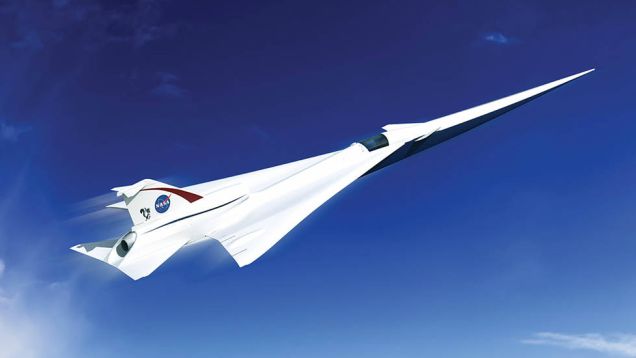
NASA's new series of bullet-shaped X-planes are the first step towards trying to resurrect the dream of supersonic air travel.
It’s a case of life imitating art. Much as the sci-fi film “The Matrix” depicted a device capable of enhancing skill acquisition, researchers at HRL Laboratories, LLC, have discovered that low-current electrical brain stimulation can modulate the learning of complex real-world skills.

The substance that provides energy to all the cells in our bodies, Adenosine triphosphate (ATP), may also be able to power the next generation of supercomputers. The discovery opens doors to the creation of biological supercomputers that are about the size of a book.

MIT researchers have developed the thinnest, lightest solar cell to date, which can be placed on a soap bubble without bursting it.

Earlier this month, the White House's Office of Science and Technology assembled a strange gathering: scientists, artists, engineers, and policy-makers, for a workshop designed to imagine how humanity could settle the solar system.

Using a computer simulation, astronomers probe the ‘cosmic web’ of the universe, its honeycomb-like structure on the largest scales.


