
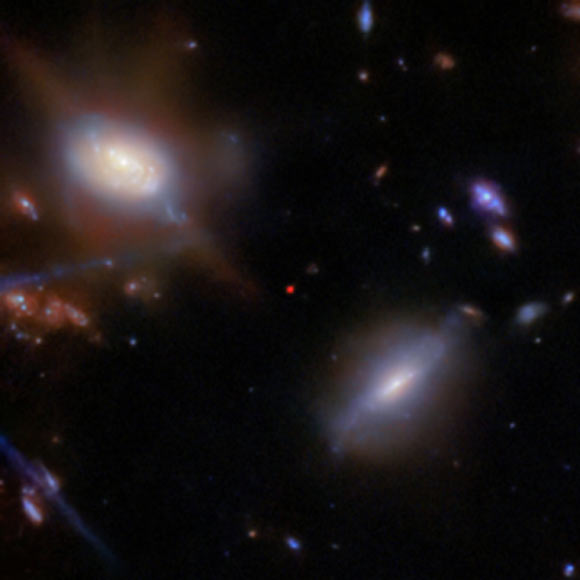
The Lyman-apha light from JADES-GS-z13-1 has taken nearly 13.47 billion years to reach us, as it dates back to just 330 million years after the Big Bang.

In 2022 NASA’s James Webb Space Telescope discovered an abundance of tiny red objects scattered across the sky in the early universe. A large fraction of them are likely galaxies with supermassive black holes growing at their centers.

JADES-GS-z14-0 is rich with oxygen – which is an absolute surprise, since scientists had thought elements heavier than hydrogen and helium weren't around in significant quantities until much later in time.

JWST have revealed an exceptionally large galaxy in the early universe. It’s a cosmic giant whose light has travelled over 12 billion years to reach us. We’ve dubbed it the Big Wheel.

A galaxy called GLIMPSE-16403, is by no means confirmed as a Population III host. But the identification of even a candidate suggests that it's only a matter of time before we finally locate the first stars in the Universe.
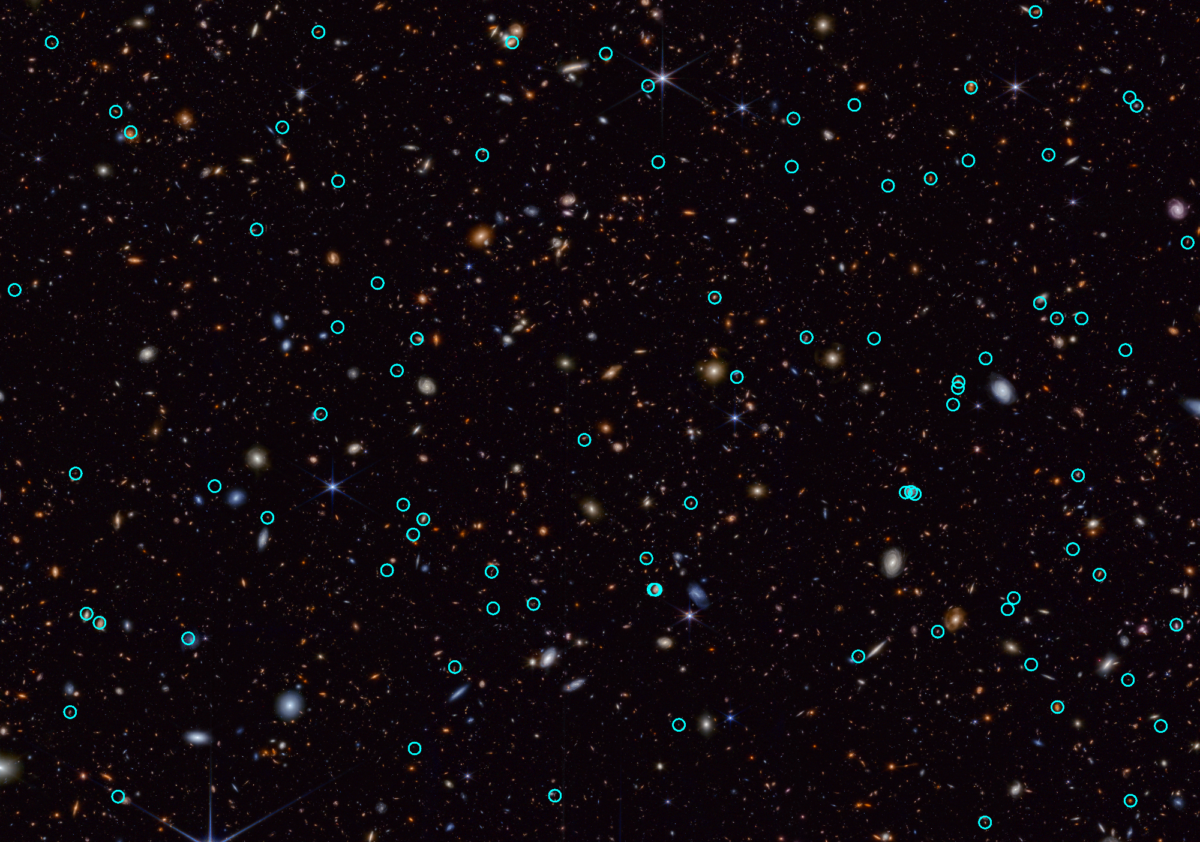
JWST revealed a massive star that ended its life in an explosion when the universe was just a cosmic toddler.
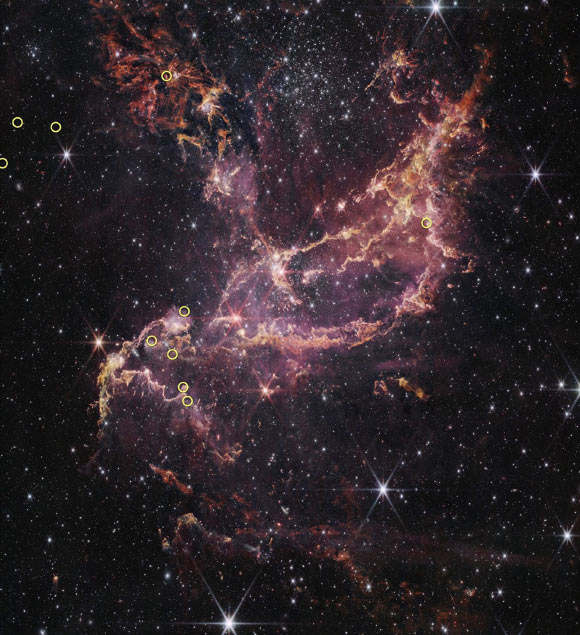
In 2003, Hubble provided evidence of a massive exoplanet around a very old star. Such stars possess only small amounts of heavier elements that are the building blocks of planets.
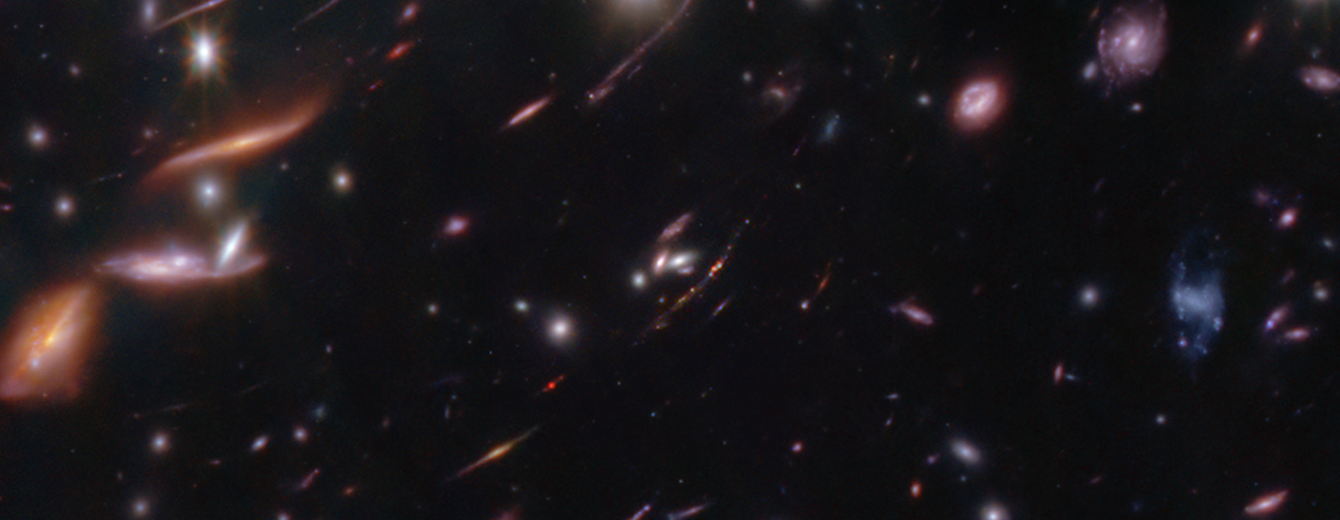
For the first time, NASA's James Webb Space Telescope has detected and "weighed" a galaxy that not only existed around 600 million years after the big bang, but is also similar to what our Milky Way.
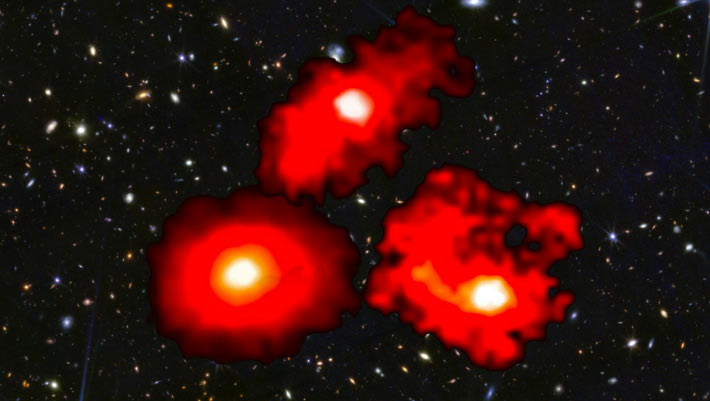
Astronomers using the NASA/ESA/CSA James Webb Space Telescope have discovered three ultra-massive galaxies -- nearly as massive as our own Milky Way Galaxy - already in place within the first billion years after the Big Bang.
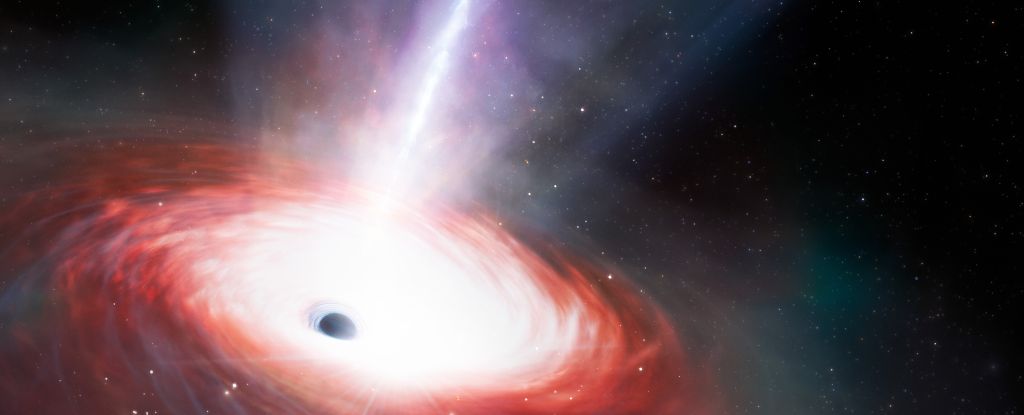
Sitting in the middle of a galaxy called LID-568, this black hole, as seen just 1.5 billion years after the Big Bang, appearing to guzzle down material at a jaw-dropping rate of over 40 times a theoretical maximum known as the Eddington limit.
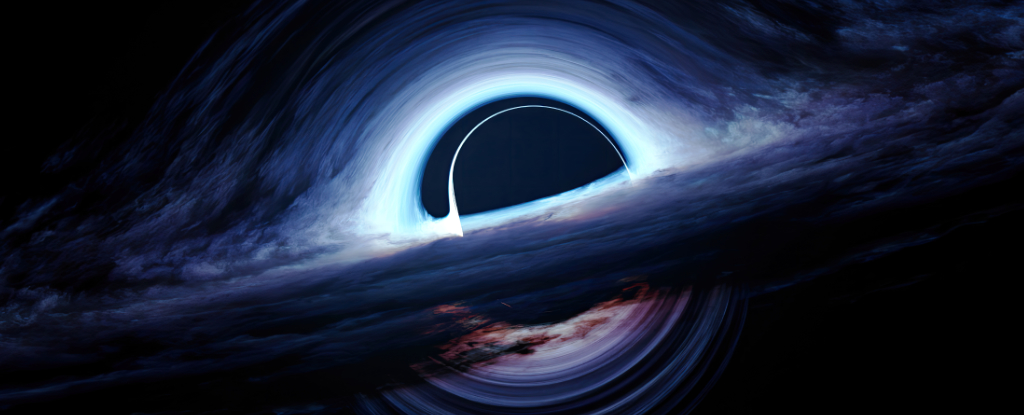
Supermassive black holes are some of the most impressive objects in the universe - with masses around one billion times more than that of the Sun.
Although our Universe may seem stable, having existed for a whopping 13.7 billion years, several experiments suggest that it is at risk - walking on the edge of a very dangerous cliff.
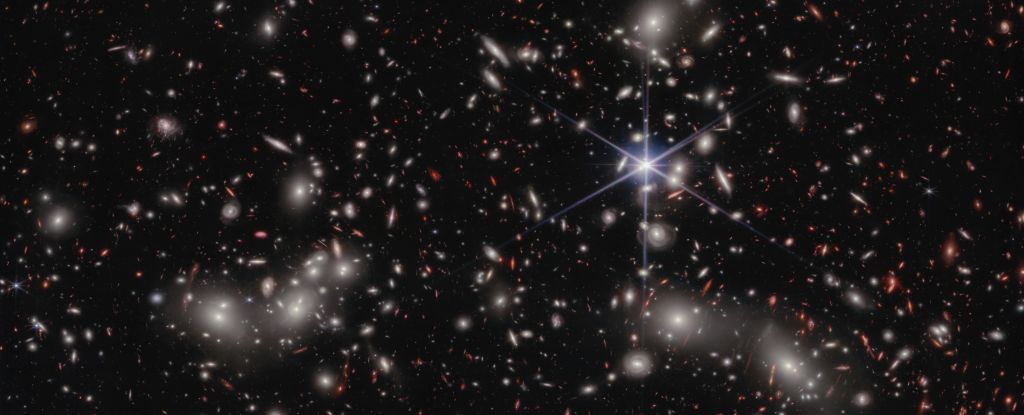
According to data from the Hubble and James Webb Space Telescopes, the origins of the free-flying photons in the early cosmic dawn were small dwarf galaxies that flared to life, clearing the fog of murky hydrogen that filled intergalactic space.
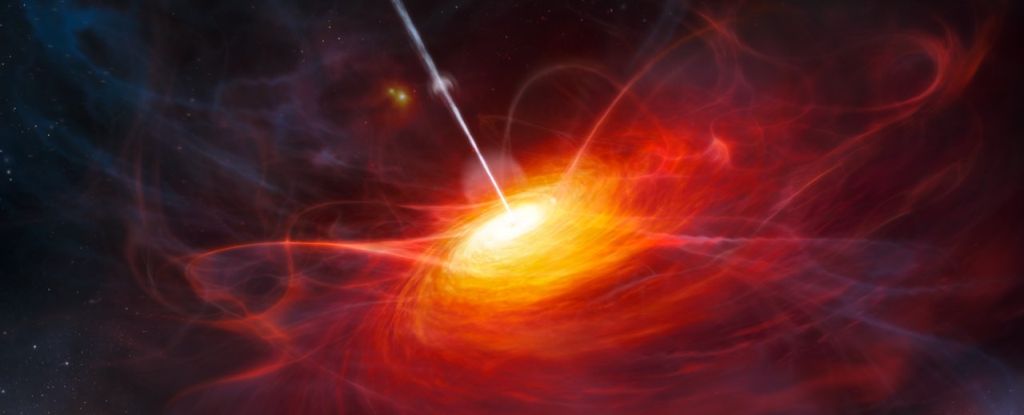
A black hole discovered lurking in the Cosmic Dawn is just way too big to easily explain.
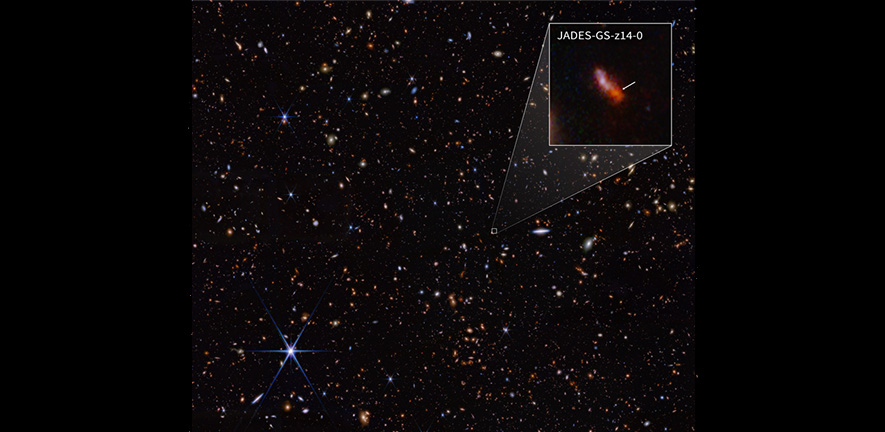
The two earliest and most distant galaxies yet confirmed, dating back to only 300 million years after the Big Bang, have been discovered using NASA's James Webb Space Telescope.


